Skip to content
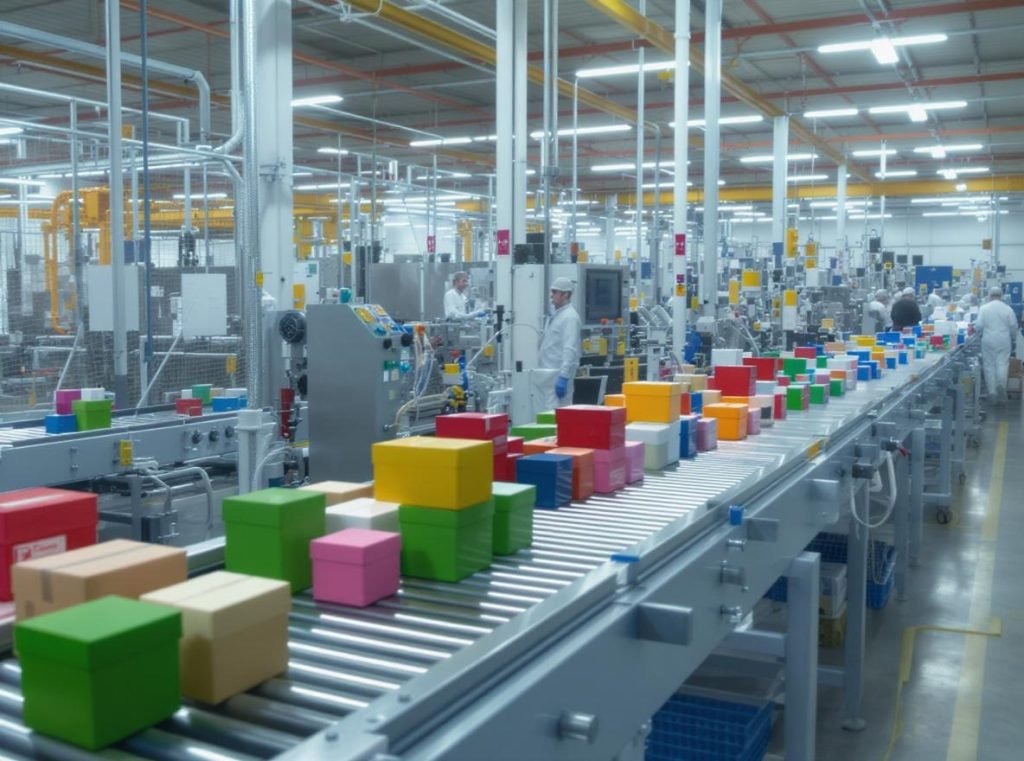
When you’re planning a product launch or restocking inventory, timing is everything. You’ve probably wondered how long you’ll need to wait for your custom packaging to arrive, especially when dealing with overseas manufacturers. The uncertainty can be stressful, particularly when you have tight deadlines and customers waiting.
Custom packaging production typically takes 4-12 weeks for most orders, with simple projects completing in 7 days or less and complex designs requiring up to 16 weeks or more. Standard lead times vary significantly by package type, with corrugated boxes taking 3 days to 2 weeks, while rigid boxes require 5-8 weeks.
Understanding these timelines will help you plan better and avoid last-minute rushes that could impact your business operations.
What Are the Standard Production Times for Different Package Types?
Each type of custom packaging has unique manufacturing requirements that directly impact production schedules. The complexity of construction, materials involved, and specialized equipment needed all contribute to varying timelines.
Different package types require dramatically different production times: corrugated boxes can be completed in 3 days to 2 weeks, folding cartons need 10 days to 4 weeks, while rigid boxes require 5-8 weeks due to complex assembly processes.
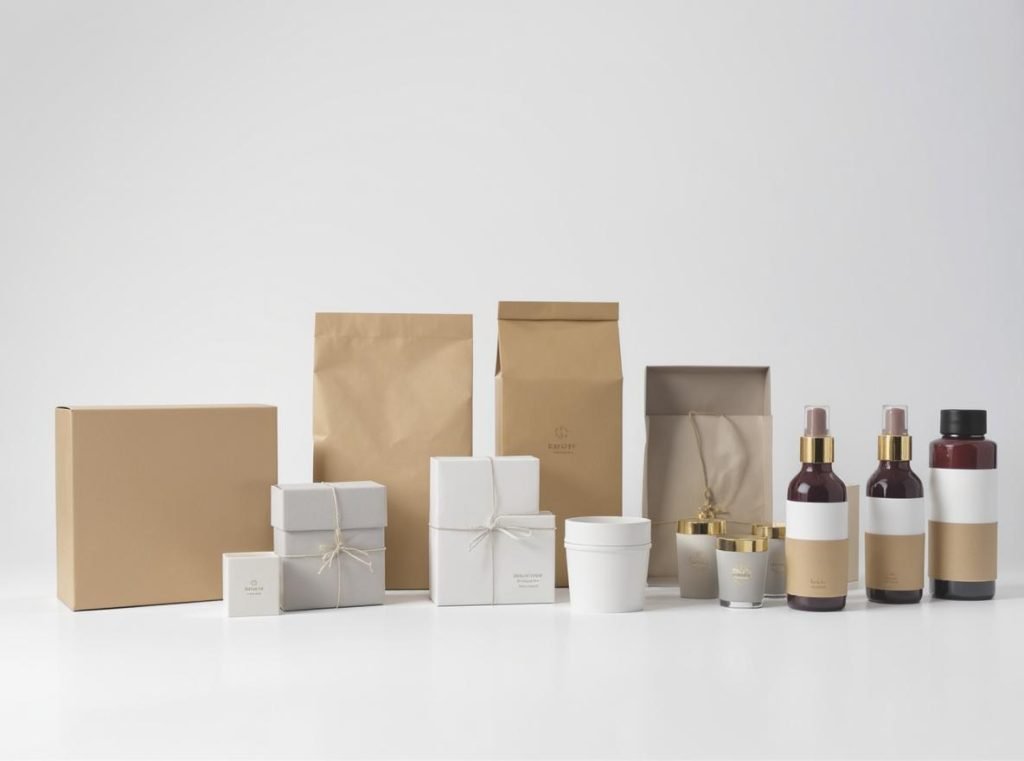
Common Packaging Types and Their Timelines
Understanding specific timelines for each package type helps you make informed decisions about your packaging strategy. Here’s what industry leaders are currently experiencing:
- Corrugated boxes: 3 days to 2 weeks for standard structures
- Folding cartons: 10 days to 4 weeks requiring complex die-cutting
- Branded boxes: 15-20 business days including custom branding elements
- Custom bottles: 4-6 weeks for mold creation and production
- Coffee sleeves: 25-35 business days with specialized food-safe printing
Leading manufacturers like Custom Boxes Now offer expedited services with lead times of 7 days or less, while companies like PackMojo typically require 12-16 working days for standard orders, extending to 16-21 days for larger volumes.
Rigid boxes represent the longest timeline at 5-8 weeks due to their complex assembly processes, multiple material layers, and precision manufacturing requirements.
| Package Type | Production Time | Key Manufacturing Factor |
|---|---|---|
| Corrugated Boxes | 3 days – 2 weeks | Simple printing, standard structures |
| Folding Cartons | 10 days – 4 weeks | Complex die-cutting required |
| Rigid Boxes | 5-8 weeks | Multi-stage assembly process |
| Custom Bottles | 4-6 weeks | Mold creation and testing |
| Flexible Pouches | 4-12 weeks | Printing method complexity |
How Does Design Complexity Affect Your Production Timeline?
Manufacturing complexity significantly impacts timeline efficiency. The relationship between design sophistication and production time isn’t linear – small increases in complexity can create disproportionate timeline extensions.
Complex packaging designs requiring multiple processes, special finishes, or intricate structural elements can double or triple production time compared to simple designs. Manufacturing involves three distinct phases: prepress, manufacturing, and post-production.
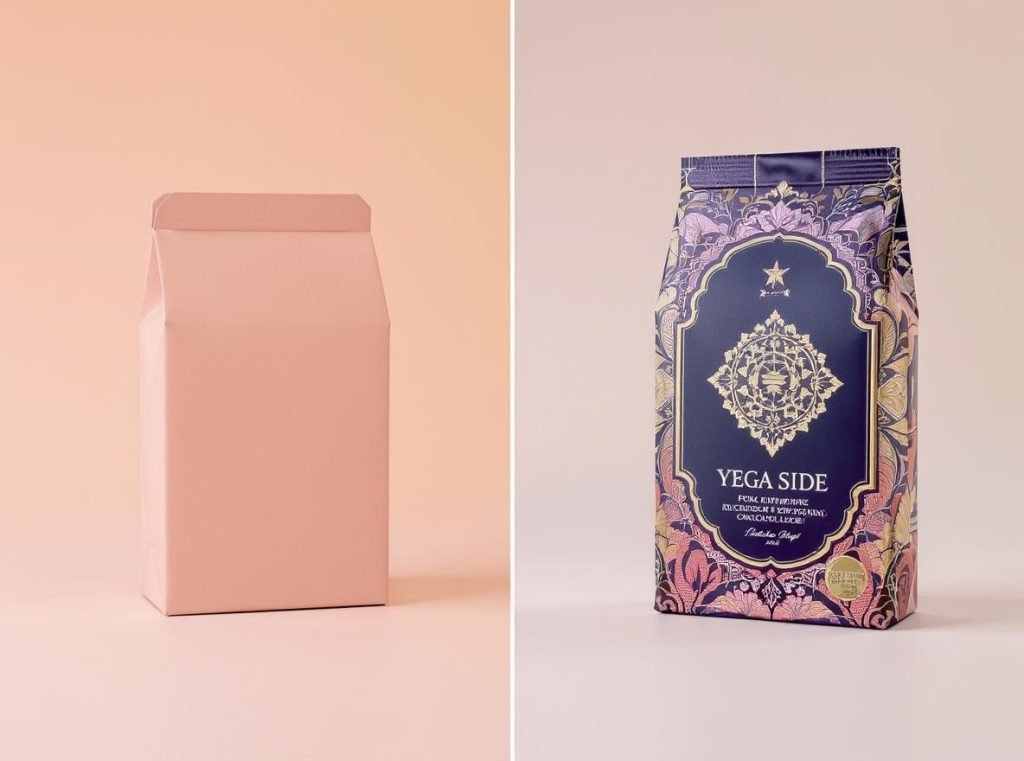
The Three-Phase Manufacturing Process
Every custom packaging order moves through distinct production phases, each contributing to your overall timeline:
Prepress Phase handles digital proofs, design optimization, and plate creation. This phase typically requires 2-7 days depending on design complexity and revision cycles.
Manufacturing Phase encompasses cutting, printing, assembly, and finishing operations. Simple corrugated boxes can be processed within hours once setup is complete, but specialized cutting dies and tooling setup extend timelines considerably.
Post-production Phase covers quality control, packaging, and shipping preparation, typically adding 1-3 days to your timeline.
Complex designs requiring multiple colors, embossing, foil stamping, or UV coating need extensive setup time. Each additional process layer compounds the timeline impact.
Design elements that significantly extend timelines include multi-stage printing with registration requirements, foil stamping and embossing operations, window patching and lamination, and complex assembly with multiple components.
Setup Time vs. Production Efficiency
The relationship between setup complexity and production efficiency creates interesting dynamics. Simple designs with minimal setup can begin production quickly, while complex projects requiring specialized tooling may need extensive preparation.
Setup time considerations include:
- Number of colors requiring separate printing plates
- Special finishing equipment configuration
- Custom die-cutting tool preparation
- Quality control checkpoint establishment
What Role Do Materials Play in Production Scheduling?
Material selection dramatically influences production schedules beyond simple availability considerations. Different materials require varying processing methods, specialized equipment, and unique handling procedures.
Material choices can add 3-7 days to production timelines when specialty options are selected. Standard materials like corrugated cardboard and basic paperboard are typically in stock, while eco-friendly options and premium substrates require additional procurement time.
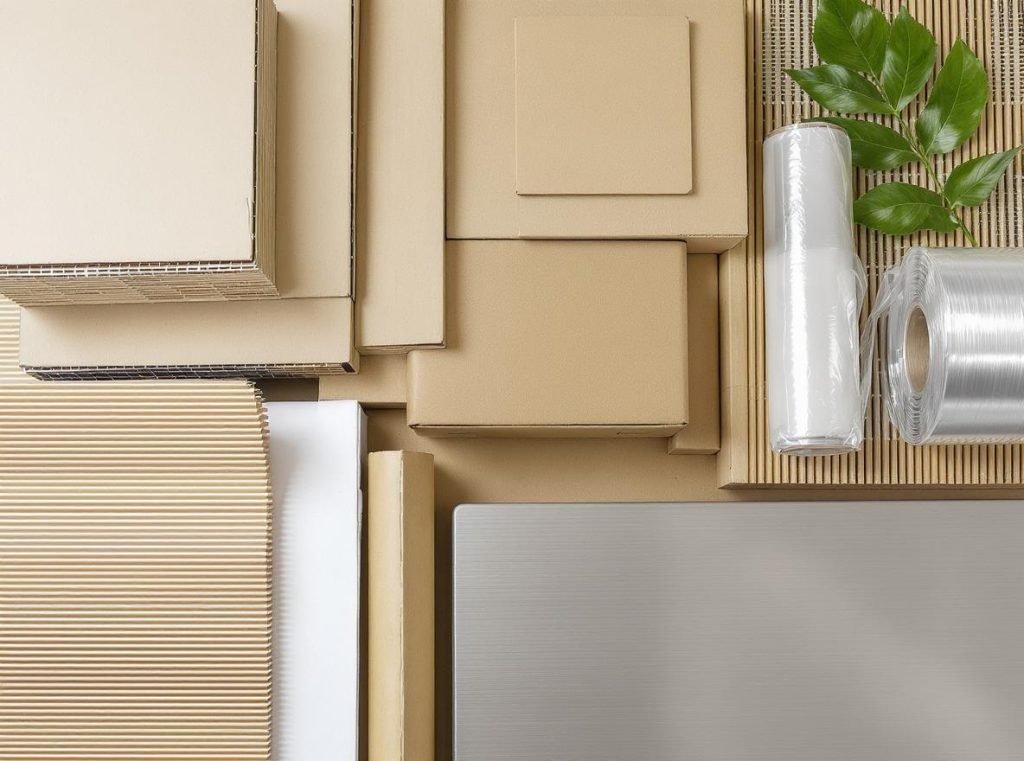
Fast-Processing vs. Time-Intensive Materials
Understanding material processing requirements helps you make informed timing decisions for your packaging projects.
Fast-processing materials include standard paperboard, corrugated cardboard, common plastic films like PET and HDPE, and digital printing substrates. These materials integrate seamlessly into existing production workflows.
Time-intensive materials require specialized handling and may extend your timeline significantly:
- Specialty papers requiring custom coatings
- Biodegradable materials needing additional processing steps
- Metallized films requiring specialized printing equipment
- Materials requiring barrier testing, especially for food packaging
Raw material shortages during peak seasons create the most significant delays, with supply chain disruptions affecting material procurement particularly during holiday periods when demand spikes.
The packaging industry has experienced notable supply chain pressures, with paper mills requesting orders weeks ahead of normal schedules and packaging facilities operating at capacity during peak periods.
| Material Category | Typical Availability | Timeline Impact |
|---|---|---|
| Standard corrugated/paperboard | In stock | No delay |
| Digital printing substrates | Readily available | Minimal delay |
| Specialty coated papers | 3-7 day procurement | Moderate delay |
| Eco-friendly alternatives | 5-14 day lead time | Significant delay |
| Food-grade certified materials | 7-21 day testing | Major delay |
How Does Order Volume Impact Timeline Efficiency?
The relationship between order volume and production efficiency creates counterintuitive dynamics that smart buyers can leverage. Volume considerations go far beyond simple quantity calculations.
Order volume significantly affects timeline efficiency through economies of scale and production scheduling. Medium-volume orders often provide the best balance of timeline efficiency and cost-effectiveness, while very small or very large orders may face unique scheduling challenges.
Volume-Based Production Strategies
Different volume ranges trigger distinct production approaches that directly impact your timeline:
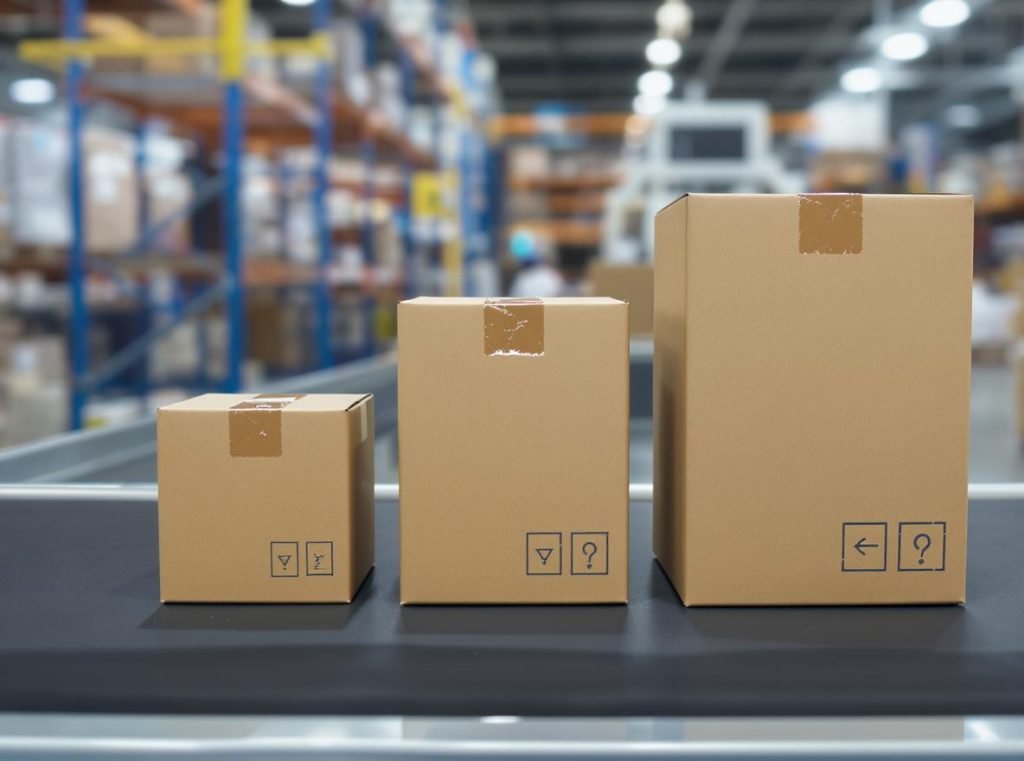
Small Orders (under 5,000 units) often get processed on digital printing equipment with faster setup times, completing in 1-7 business days for simple designs. These orders sometimes receive priority treatment due to their quick-turn nature.
Medium Orders (5,000-50,000 units) typically use traditional offset or flexographic printing with 2-4 week timelines. These volumes achieve optimal cost efficiency while maintaining reasonable lead times.
Large Orders (50,000+ units) require dedicated production runs lasting 4-8 weeks for complex designs. While they achieve the highest per-unit efficiency, volume requirements necessitate careful scheduling coordination.
Production lines operate most efficiently with certain order sizes, creating “sweet spot” volumes that minimize both setup time and per-unit costs.
Scheduling Priority Considerations
Production scheduling decisions significantly impact your delivery timeline. Large orders often receive priority in production queues due to their revenue impact and dedicated run requirements.
However, small urgent orders under 2,000 units frequently qualify for rush processing, potentially jumping ahead of larger orders in the production schedule.
Production scheduling factors include:
- Machine capacity utilization
- Setup changeover efficiency
- Quality control requirements
- Shipping logistics coordination
What Quality Control Requirements Affect Your Timeline?
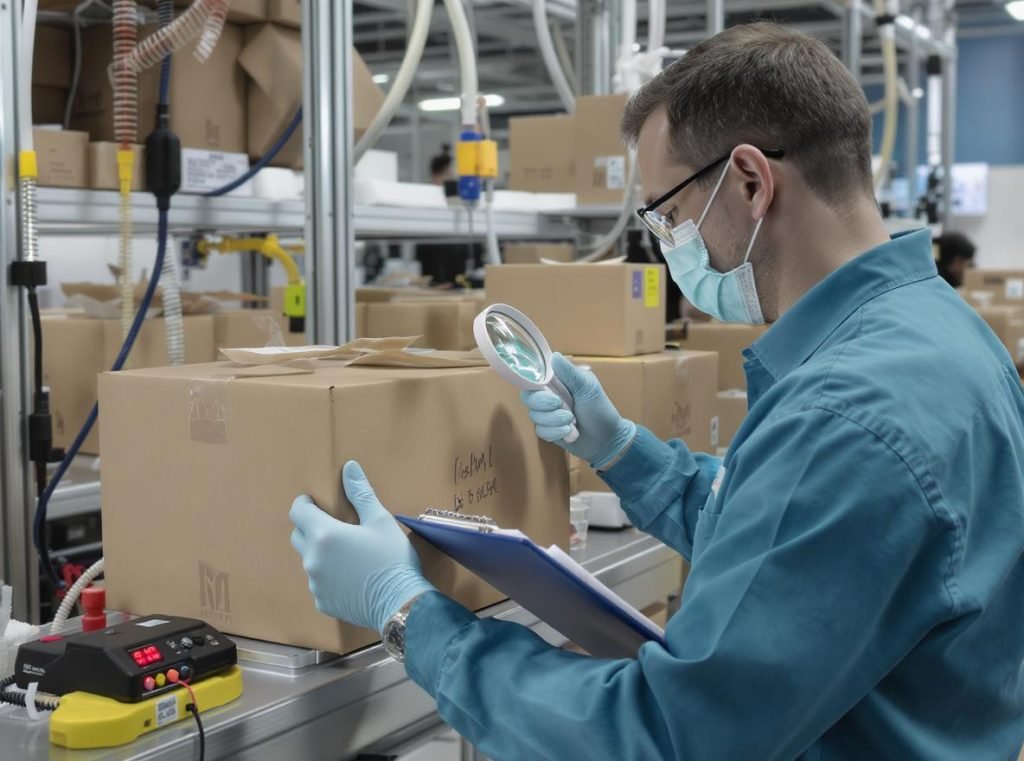
Quality control processes are integral to custom packaging production, but different applications require varying levels of testing and validation that can significantly impact delivery schedules.
Standard quality control adds 2-7 days to production timelines, while specialized testing for food packaging, pharmaceutical applications, or premium brands may require additional 1-2 weeks for comprehensive safety compliance validation.
Multi-Stage Quality Processes
Quality assurance operates throughout your production timeline, not just at the end. Understanding these checkpoints helps set realistic expectations for project completion.
Pre-production testing includes material specification verification, design validation and prototyping, and print color matching approval. This phase typically requires 1-3 days but prevents costly production errors.
Production testing involves in-line quality checks during manufacturing, statistical sampling of finished products, and performance testing like drop tests and compression evaluations.
Final inspection encompasses complete visual and functional inspection, packaging compliance verification, and final approval before shipping.
Food packaging and pharmaceutical applications require additional safety compliance testing that can extend timelines by 15-25%, but ensures regulatory compliance and product safety.
Industries requiring enhanced quality validation include:
- Food and beverage packaging with migration testing
- Pharmaceutical packaging requiring barrier property validation
- Electronics packaging needing anti-static verification
- Cosmetics requiring stability testing under various conditions
Quality Control Integration
Modern packaging manufacturers integrate quality control throughout production rather than treating it as a final step. This approach actually reduces overall timeline impact while improving product consistency.
Quality integration strategies include:
- Real-time monitoring during production runs
- Statistical process control preventing defects
- Automated inspection systems reducing manual checking time
- Continuous improvement feedback loops
How Do Seasonal Factors Influence Production Schedules?
Seasonal fluctuations create dramatic production timeline variations that can catch unprepared businesses off guard. Understanding these patterns helps you plan more effectively.
Peak seasons like Christmas holidays require 6-12 weeks for design and production, with industry experts recommending order placement by November 28th for Christmas delivery. Peak periods can extend normal timelines by 30-50% due to supply chain congestion.

Peak Season Timeline Extensions
Different seasonal periods create varying levels of production pressure:
Holiday Season Impact creates the most significant timeline extensions. Christmas and holiday packaging projects require extended planning, with Black Friday and Cyber Monday creating annual production bottlenecks.
Spring Restocking Season typically extends timelines by 15-25% as businesses rebuild inventory after holiday sales.
Back-to-School Period affects certain packaging categories, particularly promotional and educational materials.
Peak season challenges include raw material shortages and price increases, overloaded production lines, and extended shipping times due to logistics congestion.
Supply chain pressures intensify during peak periods, with paper mills requesting orders weeks ahead of normal schedules and packaging facilities operating at maximum capacity.
Off-Peak Advantages
Strategic timing during slower periods can significantly reduce production times and costs. Off-season orders often complete 15-20% faster than peak-season projects.
Off-peak benefits include:
- Reduced material costs due to lower demand
- More flexible scheduling options
- Shorter lead times for specialty materials
- Better access to rush services when needed
| Season Period | Timeline Extension | Key Challenges |
|---|---|---|
| Holiday Season (Sept-Dec) | +30-50% | Material shortages, capacity limits |
| Chinese New Year (Jan-Feb) | +40-50% | Factory shutdowns, logistics delays |
| Spring Restocking (Mar-Apr) | +15-25% | High demand, material competition |
| Summer Slowdown (Jun-Aug) | -15-20% | Reduced demand, faster processing |
What Strategies Can Minimize Your Production Time?
Strategic planning and preparation can reduce packaging production timelines by 30-40% through proper upfront coordination and smart decision-making.
The most effective timeline reduction strategy involves locking in three key parameters early: size specifications, material type, and printing technique. Using existing mold libraries rather than creating custom tooling can dramatically reduce lead times.
Early Planning and Design Optimization
Comprehensive upfront planning prevents revision cycles that commonly extend production timelines. Finalizing design parameters before production begins offers the highest impact on timeline reduction.
Critical early decisions include final artwork files in correct formats, confirmed dimensions and specifications, material selections from available options, clear quantity requirements, and approved shipping instructions.
Minimize design revisions through comprehensive initial planning. Each revision cycle typically adds 1-2 days to your timeline, making thorough upfront work essential.
Design optimization strategies include:
- Complete artwork approval before production begins
- Material selection from readily available options
- Structural design using proven manufacturing methods
- Color specifications matching available printing capabilities
Material and Supplier Optimization
Strategic material choices significantly impact production speed and reliability. Working with established supply chains reduces procurement delays.
Choose readily available materials over specialty options when timeline is critical. Standard materials integrate seamlessly into production workflows without requiring special procurement or processing.
Develop relationships with multiple suppliers to ensure consistent material availability and backup options during peak demand periods.
Material optimization approaches include:
- Standardizing on common substrate options
- Maintaining safety stock relationships with suppliers
- Understanding seasonal availability patterns
- Building flexibility into material specifications
Production Process Improvements
Modern manufacturing automation and process optimization can reduce production time by up to 50% through efficiency improvements and reduced manual handling.
Digital printing for smaller runs eliminates plate setup time that traditional methods require. This approach particularly benefits orders under 5,000 units.
Automated systems for repetitive tasks reduce both processing time and error rates. Automation particularly benefits high-volume orders with consistent specifications.
Advanced production strategies include:
- Single-Minute Exchange of Die (SMED) techniques for faster changeovers
- Lean manufacturing principles eliminating non-value-added activities
- Parallel processing of compatible production stages
- Optimized scheduling algorithms for maximum efficiency
How Should You Plan Backwards from Your Deadline?
Working backwards from your required delivery date ensures adequate time for each production phase while building in necessary buffer periods for unexpected delays.
Best practice recommends allowing 5-7 weeks minimum from initial quote request to finished packaging delivery, with additional buffer time coordinated with your product development timeline to run processes in parallel.
Comprehensive Timeline Planning
Strategic project planning requires understanding each phase of the packaging development and production process:
- End-user delivery requirements – Your final deadline
- Product fulfillment and packaging time – Assembly and shipping preparation
- Shipping transit time to fulfillment center – International shipping considerations
- Custom packaging production time – Manufacturing and quality control
- Design development and approval phase – Artwork and specification finalization
- Initial consultation and specification development – Project scoping and planning
Buffer Time Considerations
Professional packaging projects include buffer time for unexpected delays or revisions. Industry experience shows that projects with adequate buffer time achieve higher success rates and better quality outcomes.
Recommended buffer allocations:
- Design phase: 20% additional time for revisions
- Production phase: 15% buffer for material or quality issues
- Shipping phase: 25% buffer for logistics delays
- Overall project: 10% final buffer for unforeseen circumstances
Rush Service Options
When timeline constraints require expedited processing, rush services are available at premium pricing. Rush capabilities vary by manufacturer and project complexity.
Rush service typically reduces timelines by 30-50% but requires premium pricing and may limit material or design options. Rush projects under 2,000 units often receive highest priority.
Summary
Custom packaging production requires 4-12 weeks typically, varying by design complexity, materials, volume, and seasonal demand. Strategic planning, early material selection, and comprehensive timeline management ensure successful project completion within your required deadlines.
Ready to start your custom packaging project with realistic timeline planning? Contact Acreet’s experienced team for detailed production schedules tailored to your specific requirements. We’ll help you navigate material selection, design optimization, and production planning to meet your deadlines while maintaining exceptional quality standards. Send us your inquiry today for professional timeline consultation and custom packaging solutions!