Skip to content
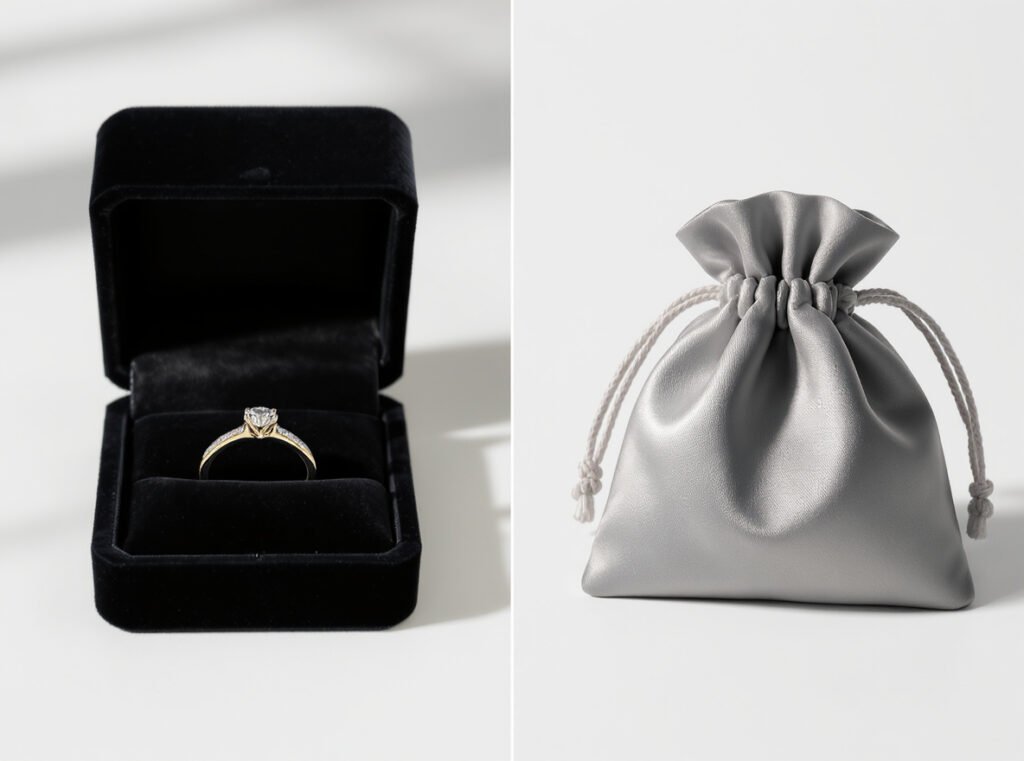
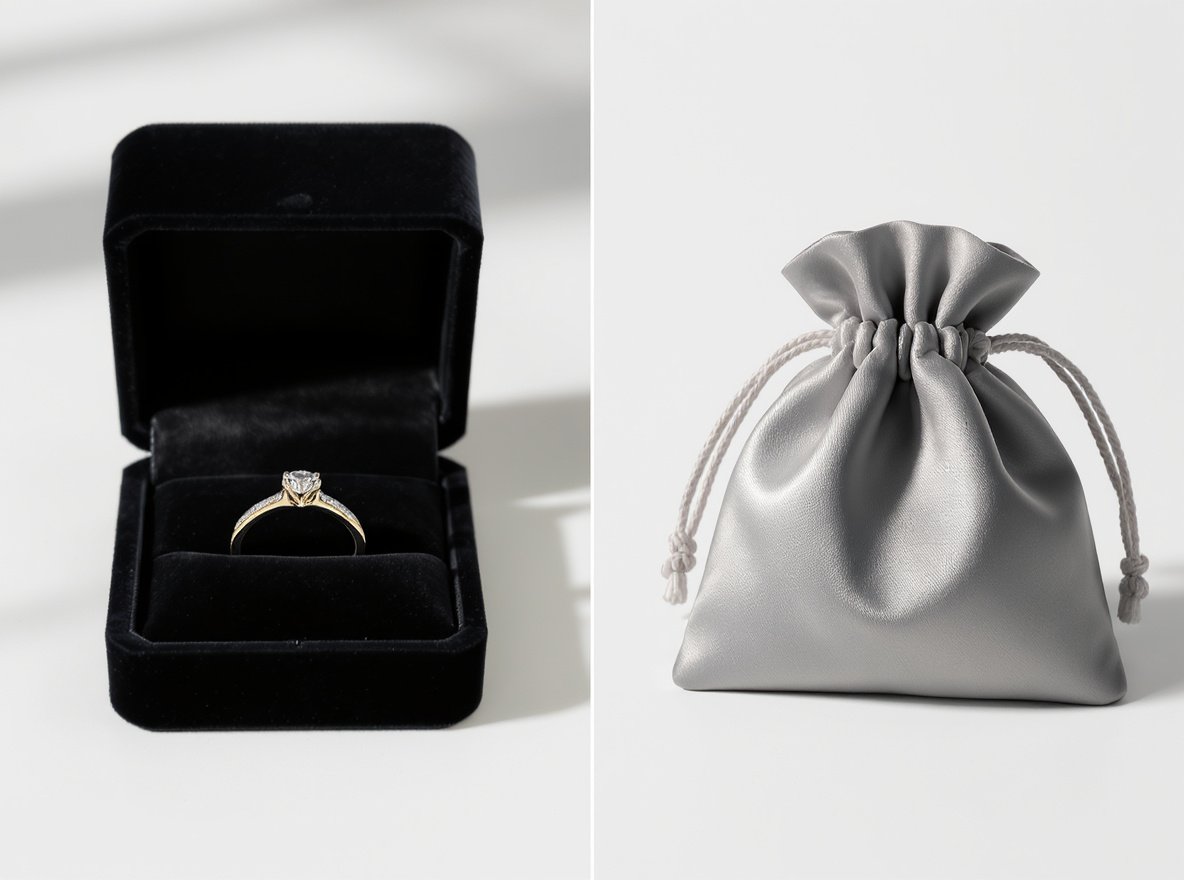
Struggling with your jewelry packaging choice? A wrong decision can damage your product and brand. I’ve guided many clients through this, and I can help you decide wisely.
Choose boxes for high-value, fragile items to offer protection and a premium unboxing experience. Use pouches for smaller, durable pieces or as an inner layer, as they are cost-effective and flexible. The best choice depends on your jewelry type, budget, and brand image.
This is a question I get all the time from procurement managers I work with. The answer isn’t always simple, because it depends on what you want your packaging to do. It’s not just about holding an item; it’s about protection, branding, and customer experience.
Let’s break down the key factors. This will help you make the best choice for your brand and your customers.
What Are the Main Differences Between Jewelry Pouches and Boxes?
Feeling confused by all the options? Pouches and boxes might seem interchangeable, but they serve very different functions. Picking the wrong one can lead to damaged products or a missed branding opportunity.
Boxes offer a rigid structure, superior protection, and a premium feel, making them ideal for fragile or luxury items. Pouches are soft, flexible, and more affordable. They are best for durable items, travel, or as secondary packaging. The key difference is protection versus cost-effectiveness.
When I start a project with a new client, we first establish the fundamentals. Understanding the core purpose of each packaging type is the most important first step. A pouch and a box are not just different in appearance; they are different in function, cost, and the message they send to your customer.
Protection and Structure
A box is built for protection. At Acreet, we use strong paperboard to create a rigid structure. This shell protects the jewelry inside from being crushed or bent during shipping. It’s essential for anything delicate. A pouch, on the other hand, is made of soft materials like velvet or satin. It does a great job of preventing scratches and scuffs, but it offers almost no protection from impact or pressure.
Perceived Value and Cost
The cost difference is significant. A box requires more materials and a more complex manufacturing process, including printing, die-cutting, and assembly. This results in a higher unit price. A pouch is typically simpler to produce, often just involving cutting and sewing fabric, which makes it a more budget-friendly option. This table breaks it down:
| Feature | Jewelry Box | Jewelry Pouch |
|---|---|---|
| Protection | Excellent (crush-proof) | Good (scratch-proof) |
| Perceived Value | High (Luxury, Gift-Ready) | Medium (Practical, Casual) |
| Unit Cost | Higher | Lower |
| Best For | Rings, Necklaces, Earrings | Charms, Bracelets, Chains |
How Does Your Jewelry Type Influence Packaging Choice?
Are you worried your beautiful necklace will arrive tangled? Or that your delicate earrings might break in transit? The wrong packaging can ruin a customer’s first impression before they even see the product.
Delicate, high-value pieces like diamond engagement rings or intricate necklaces need the rigid protection and custom inserts of a box. Sturdier items like simple chains, bracelets, or charms can be safely and cost-effectively packaged in a soft pouch to prevent scratches.
I once worked with a client who sold beautiful, hand-beaded bracelets. They initially used pouches to save on costs. However, they started getting complaints that the delicate threads were catching and tangling. We switched them to a shallow box with a custom foam insert that held the bracelet in place. The complaints stopped, and their customer satisfaction ratings went up. This shows that the product itself must dictate the packaging.
For Delicate and High-Value Items
Items with fine details, gemstones, or fragile parts need a box. This includes engagement rings, pendant necklaces, and chandelier earrings. A box does more than just protect them. We can add custom inserts made of foam or velvet that hold the piece perfectly in place. This prevents movement and tangling. For a high-value item, a box communicates that the product inside is also of high quality and worth protecting. It justifies a higher price point.
For Sturdy and Simple Items
For more durable jewelry, a pouch is often a great choice. Think of simple silver chains, stackable bangles, or small charms. These items are not at high risk of being crushed or broken. A soft pouch is perfect for keeping them from getting scratched. It’s also a lightweight and compact option, which can help reduce shipping costs. Pouches are also great as a secondary container inside a larger box, adding another layer to the unboxing experience.
How Do Budget Constraints Affect Your Packaging Selection?
Is your packaging budget tight? You might feel forced to choose the cheapest option, but fear it will make your brand look low-quality. Finding the right balance is a common challenge.
Your budget is a major factor. Pouches are the most cost-effective option, ideal for large volumes or promotional items. Boxes cost more but can be simplified to fit a budget. You can also use a hybrid approach, like a pouch inside a simple box, to balance cost and quality.
As a procurement manager, you are always trying to optimize costs. I understand that. The good news is that you don’t have to sacrifice quality for the price. It’s about making smart choices. We have 8 production lines and over a decade of experience, so we know how to produce high-quality packaging efficiently.
Maximizing a Small Budget
If your budget is very limited, pouches are your best friend. They have a low unit cost, especially when ordered in bulk. For many brands, especially those selling in the direct-to-consumer space, a nicely branded satin or cotton pouch is more than enough. It feels personal and eco-friendly.
Finding a Mid-Range Solution
For those with a bit more to spend, you can start looking at boxes. But you don’t have to go for the most complex, multi-material box. A simple, well-made cardboard box with a one-color logo print can look very elegant. We call this a “rigid setup box.” It offers great protection and a higher perceived value than a pouch without the cost of magnetic closures or complex inserts. This is a popular choice for brands that want to feel premium but need to watch njihov procurement spend.
The Hybrid Approach
I often recommend a hybrid solution. Use a simple, cost-effective box for structure and protection during shipping. Inside, place the jewelry in a soft, branded pouch. This gives you the best of both worlds:
- The box provides the necessary protection.
- The pouch adds a touch of luxury and is a useful keepsake for the customer.
- This layered unboxing experience feels more premium than the cost would suggest.
How Important Is Brand Image and Unboxing Experience?
Do you just see packaging as a container? If so, you’re missing a huge opportunity. Your packaging is often the first physical interaction a customer has with your brand.
Your packaging is a critical part of your brand identity. A luxury box with custom logos and textures creates a memorable unboxing experience that justifies a premium price. A simple, eco-friendly pouch can communicate a brand ethos价格 of minimalism and sustainability.
I’ve seen it firsthand: great packaging can turn a one-time buyer into a loyal fan. In today’s market, the “unboxing experience” is a powerful marketing tool. People film themselves opening packages and share it on social media. Your box or pouch is no longer just packaging; it’s content. At Acreet, we have a design team that can help you create this experience for free.
Creating a Luxury Unboxing Experience
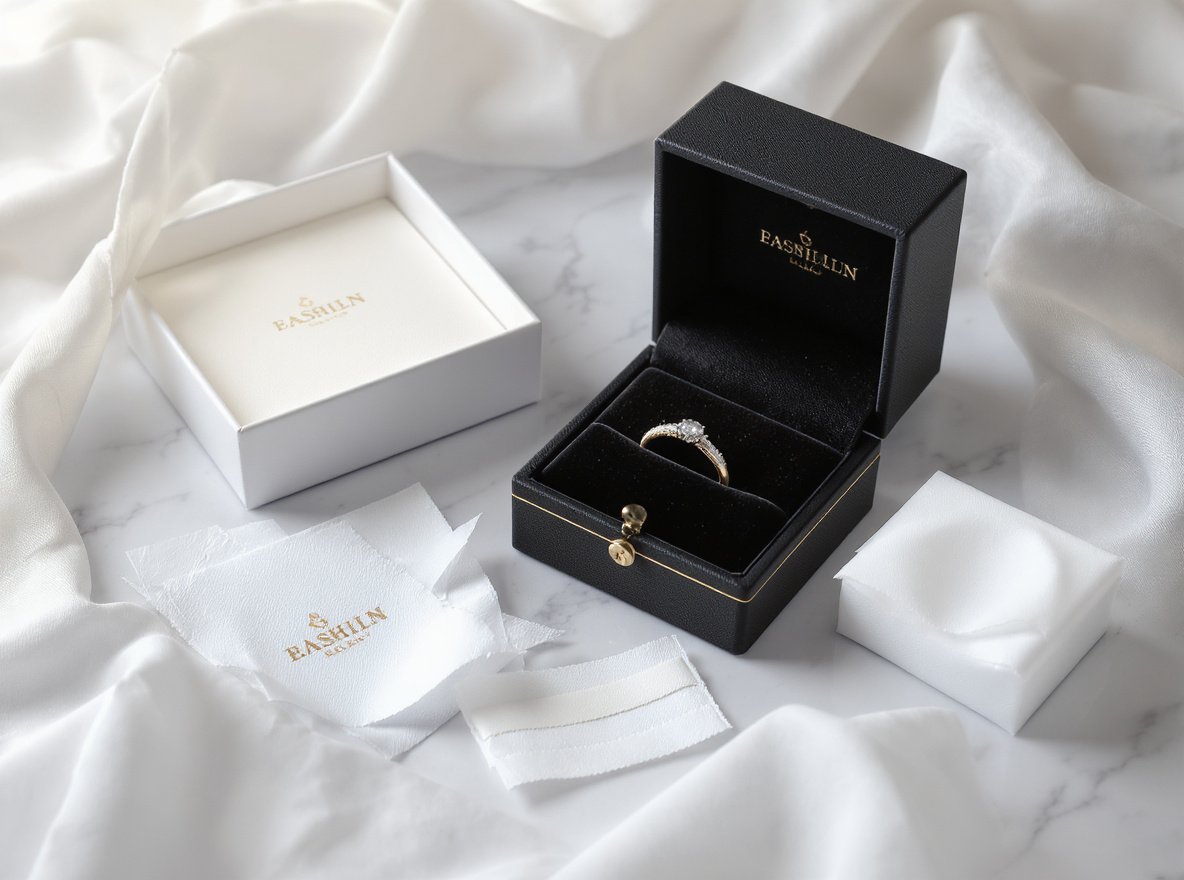
If you are a premium or luxury brand, the choice is clear. You need a box. We can customize it with:
- Textures: Soft-touch lamination, embossed patterns.
- Finishes: Gold foil stamping, spot UV.
- Closures: Magnetic closures, ribbon ties.
These details make opening the box an event. It builds anticipation and makes the customer feel special. The weight and sturdiness of the box signal that the item inside is valuable. This experience reinforces their purchase decision and builds brand loyalty.
Communicating Brand Values
Your packaging choice also tells a story about your brand’s values. A minimalist, kraft paper box can signal that your brand is eco-conscious and natural. A colorful, vibrantly printed pouch might be perfect for a brand targeting a younger, trend-focused audience. The materials, colors, and design should all align with the story you want to tell. We can help you translate your brand identity into a physical package that connects with your target customer.
Conclusion
Choosing between a pouch and a box depends on your product, budget, and brand. Boxes offer protection and a luxury feel, while pouches are cost-effective and practical for durable items.