Skip to content
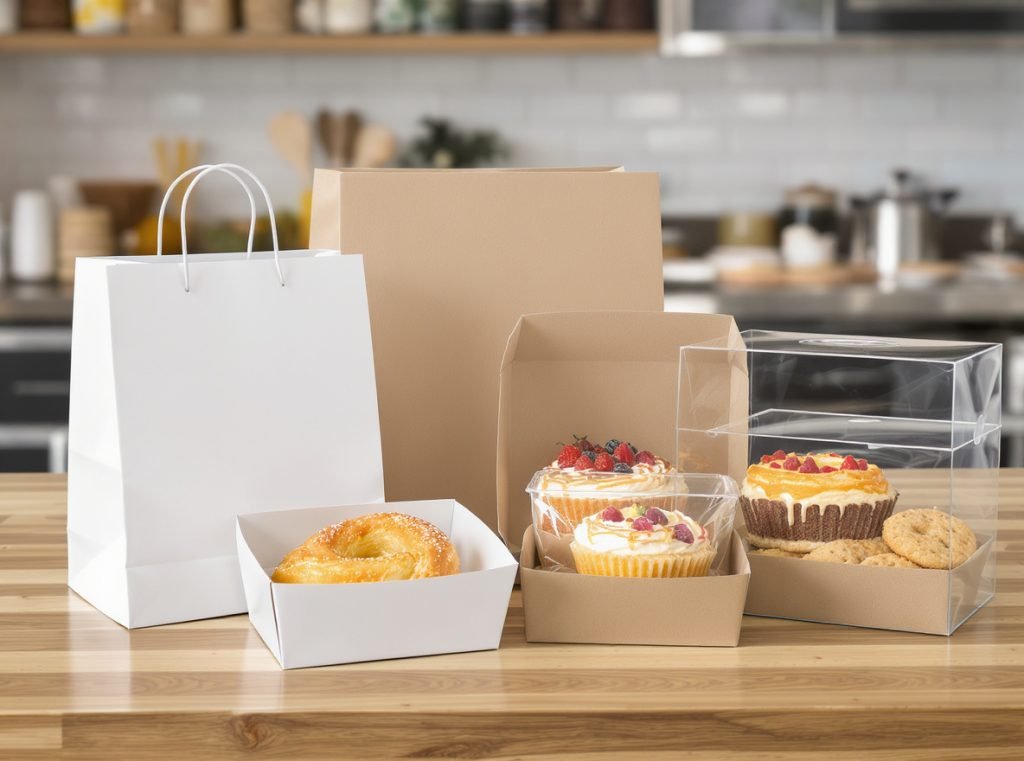
Choosing the wrong packaging materials can ruin even the most delicious baked goods. Your customers expect fresh, beautiful pastries that arrive in perfect condition. The right box material makes all the difference between satisfied customers and costly returns.
Food-grade paperboard stands as the gold standard for bakery packaging, offering superior breathability, FDA compliance, and excellent print quality. Corrugated cardboard excels for large orders with exceptional protection, while kraft paper provides the most eco-friendly solution for environmentally conscious bakeries.
Let’s explore each material option to help you make the best choice for your bakery business and discover why the right packaging investment pays for itself.
What Makes Food-Grade Paperboard the Premium Standard?
Understanding paperboard quality is crucial for professional bakery packaging success. Not all paperboard meets food safety standards, and choosing the wrong grade can compromise both product quality and customer safety.
Food-grade paperboard offers superior breathability that prevents condensation buildup, high stiffness for protecting delicate items, and smooth surfaces ideal for high-quality printing. Virgin kraft paperboard and solid bleached sulfate board provide the best combination of safety, functionality, and aesthetic appeal.
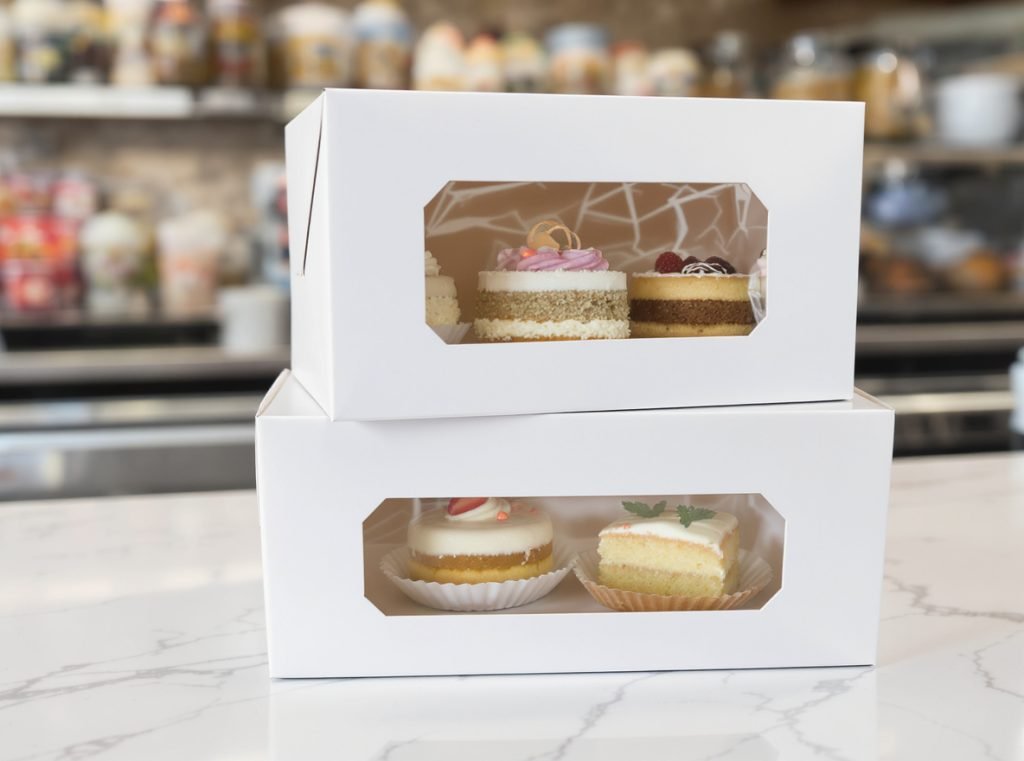
Why Virgin Paperboard Leads the Market
Virgin paperboard is manufactured from fibers sourced from spruce, pine, birch, and eucalyptus trees, offering exceptional strength and premium appearance. Unlike recycled alternatives, virgin paperboard contains no harmful chemicals, fluorescent whiteners, or recycled content that could contaminate food products.
The FDA compliance aspect cannot be overstated. Food-grade paperboard undergoes rigorous testing to ensure no harmful chemical migration occurs during normal use. This certification protects your customers and shields your business from liability issues.
Superior breathability sets paperboard apart from plastic alternatives. This natural ventilation prevents condensation buildup that can make pastries soggy or cause decorated items to lose their appeal during transport.
| Paperboard Type | Best Applications | Key Advantages |
|---|---|---|
| Virgin Kraft Paperboard | Premium pastries, organic products | Natural appearance, exceptional strength |
| Solid Bleached Sulfate | Decorated cakes, high-end items | Brilliant white surface, excellent print quality |
| FSC-Certified Options | Eco-conscious brands | Sustainable sourcing, environmental credentials |
Why Is Corrugated Cardboard Perfect for Large Bakery Orders?
High-volume bakery operations and heavy-duty applications demand robust protection that single-wall materials simply cannot provide. Professional bakeries need packaging that maintains structural integrity under stress.
Corrugated cardboard delivers exceptional protection during transportation, superior stacking ability, and lightweight design that reduces shipping costs. Its three-layer construction—two outer sheets with an inner fluted layer—provides unmatched strength while remaining surprisingly cost-effective.
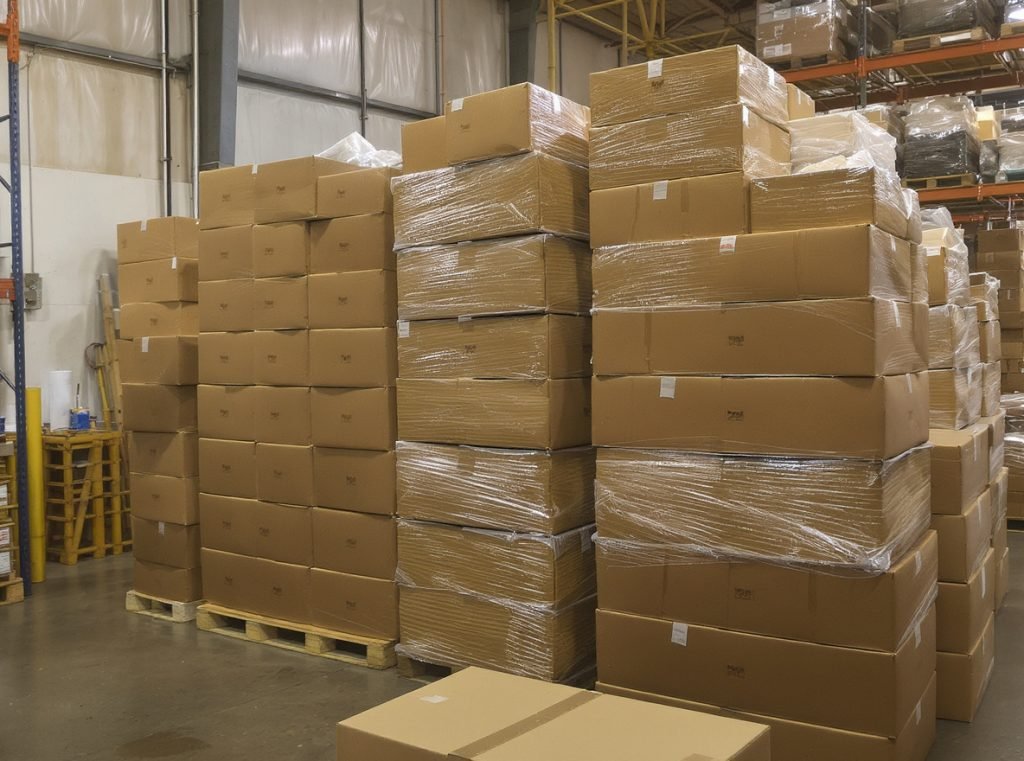
The Science Behind Corrugated Strength
The fluted inner layer creates natural insulation and cushioning that protects baked goods from temperature fluctuations and impact damage. This air-trapped design maintains product quality during extended transport periods.
Stacking strength becomes critical for wholesale operations where space optimization directly impacts profitability. Corrugated boxes maintain their shape under significant weight, allowing efficient storage in warehouses and delivery vehicles.
Environmental sustainability adds compelling business value. Modern corrugated packaging contains 80% recycled materials and remains 100% recyclable, appealing to environmentally conscious customers while reducing disposal costs.
Cost analysis reveals significant advantages:
- Lightweight design reduces shipping expenses by up to 25%
- Bulk pricing offers substantial savings for regular orders
- Reduced product damage minimizes costly replacements
- Enhanced stacking efficiency maximizes storage space
How Does Kraft Paper Excel as the Eco-Conscious Choice?
Environmental responsibility increasingly influences purchasing decisions across all demographics. Many bakeries seek sustainable packaging that enhances rather than compromises their brand positioning.
Kraft paper represents the premier eco-friendly packaging solution, manufactured through specialized chemical pulp processes that deliver exceptional strength with minimal environmental impact. It’s 100% recyclable, fully compostable, and made from renewable wood pulp resources.
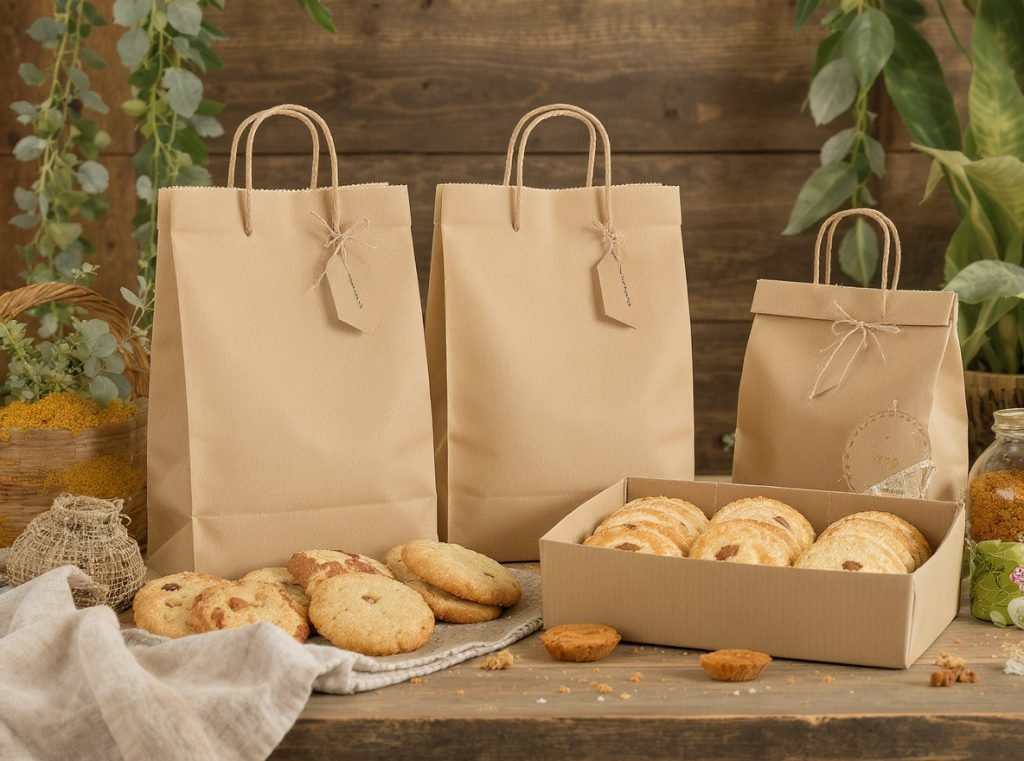
Sustainable Performance Without Compromise
The natural aesthetic appeal of kraft paper creates distinctive brand positioning that resonates with health-conscious consumers. The earthy, rustic appearance suggests artisanal quality and environmental responsibility without requiring additional messaging.
Breathable structure maintains product freshness while preventing moisture buildup that can compromise texture and taste. This natural ventilation works particularly well for dry pastries, cookies, and artisanal products where authentic presentation matters.
Cost-effectiveness makes kraft paper attractive for budget-conscious operations without sacrificing quality perception. The material’s natural appearance eliminates expensive printing costs while maintaining professional presentation standards.
Strategic applications where kraft paper excels:
- Artisanal bakery products emphasizing natural ingredients
- Farm-to-table establishments highlighting sustainability
- Budget-conscious operations requiring attractive packaging
- Products with minimal moisture or oil content
However, kraft paper has limited moisture resistance for highly oily or moist baked goods, making material selection critical based on specific product characteristics.
What Plastic Options Serve Modern Bakery Needs?
While paper dominates bakery packaging, specific plastic materials provide unique advantages for particular applications. Understanding when plastic makes strategic sense helps optimize your packaging portfolio.
Food-grade PET (Polyethylene Terephthalate) offers crystal-clear transparency for product display, superior moisture barriers that extend shelf life, and microwave-safe properties for consumer convenience. These benefits make plastic ideal for premium display applications and products requiring extended storage.
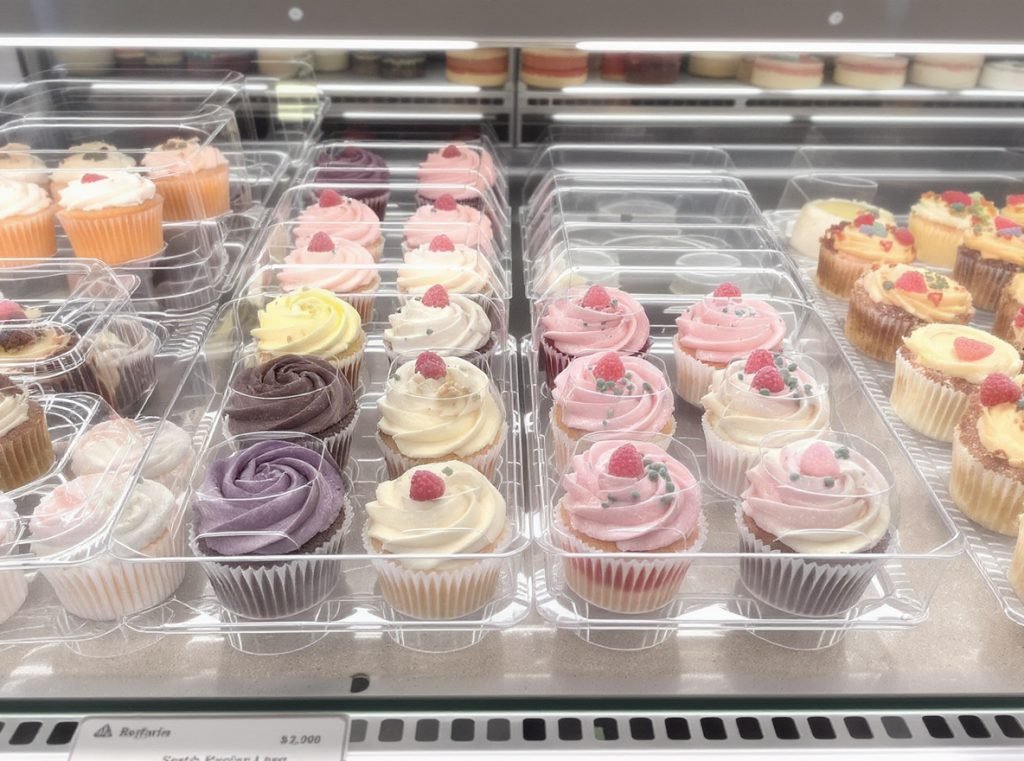
PET: The Clear Choice for Visual Appeal
FDA-approved PET provides odorless, non-toxic properties essential for food contact applications. The material’s excellent clarity allows customers to see products without opening packages, reducing handling and contamination risks while enhancing impulse purchase appeal.
Moisture resistance capabilities significantly extend shelf life by creating complete vapor barriers. This prevents staleness and maintains texture integrity far longer than paper alternatives, particularly valuable for retail environments with variable storage conditions.
Temperature resistance enables both refrigerated storage and microwave reheating, adding consumer convenience that justifies premium pricing. This versatility appeals to busy customers seeking ready-to-eat solutions.
Polypropylene (PP) containers offer additional temperature resistance and chemical stability, making them ideal for products requiring special storage conditions or direct heating applications.
| Plastic Type | Key Benefits | Best Applications |
|---|---|---|
| PET | Crystal clarity, moisture resistance | Display boxes, premium items |
| PP | Temperature resistance, microwave safety | Refrigerated products, reheatable items |
| rPET | 90% recycled content, sustainability | Eco-conscious brands, bulk applications |
How Do You Match Materials to Different Pastry Types?
Different baked goods present unique packaging challenges based on moisture content, oil levels, fragility, and shelf life requirements. Professional material selection requires understanding these specific characteristics.
Match packaging materials to product characteristics: delicate items need rigid protection, oily products require grease-resistant barriers, moist items benefit from vapor barriers, while dry goods need breathable materials that maintain texture.
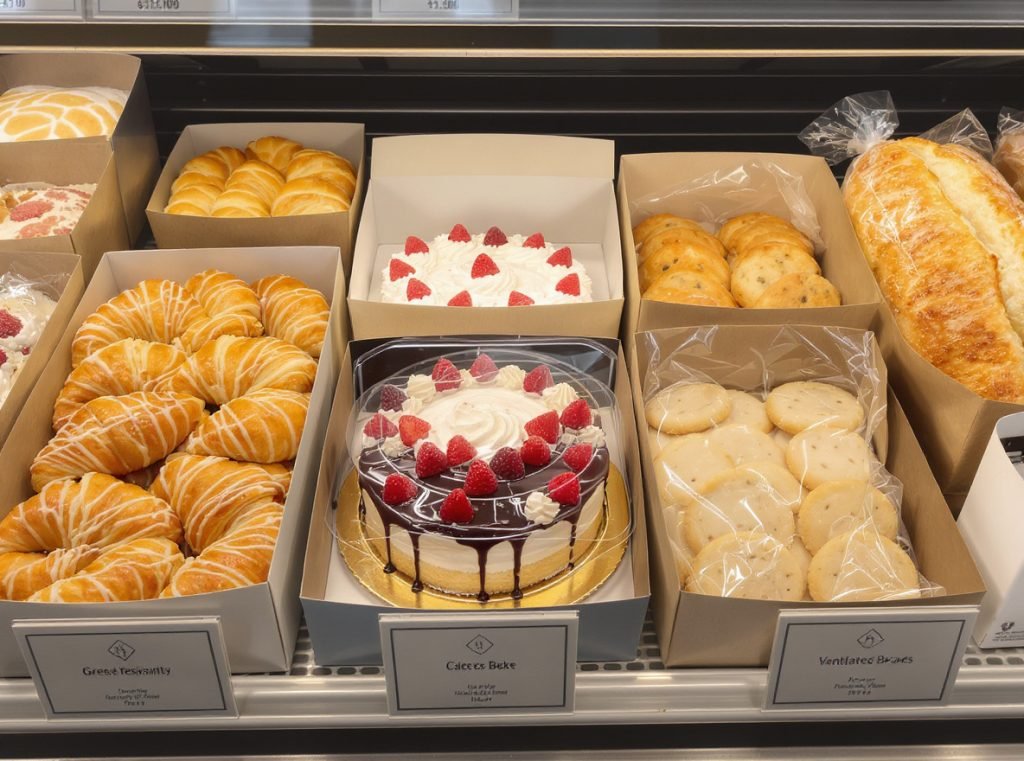
Strategic Material Selection by Product Category
Delicate pastries and decorated cakes demand maximum protection from crushing and environmental damage. Virgin paperboard or solid bleached sulfate provides necessary rigidity while window boxes offer visual appeal without compromising structural integrity.
Moist or greasy items like croissants and buttery pastries generate significant moisture and oil that can compromise standard packaging. PET plastic containers with superior moisture resistance or coated paperboard with grease-resistant barriers prevent seepage and maintain presentation quality.
Heavy cakes and large orders require corrugated cardboard’s superior structural support. Double-wall construction provides maximum protection for valuable products, while custom sizing minimizes material waste and shipping costs.
Dry goods and cookies benefit from kraft paper’s breathability and cost-effectiveness. The natural ventilation prevents staleness while parchment paper lining prevents sticking and maintains product integrity.
Product-specific recommendations:
- Decorated cakes: Virgin paperboard with window features
- Croissants/pastries: PET containers or grease-resistant coated board
- Large cakes: Double-wall corrugated with custom sizing
- Cookies: Kraft paper with parchment lining
- Bread products: Breathable kraft with controlled porosity
What Are the Real Cost Considerations for Each Material?
Understanding total packaging costs requires analyzing more than just material prices. Smart bakery owners evaluate return on investment, damage reduction, and customer satisfaction impacts alongside initial expenses.
Material costs range from budget-friendly kraft paper and corrugated packaging ($2.70-$3.50 per unit) to premium rigid boxes ($8.50-$10.00 per unit). However, bulk pricing provides 10-27% savings, while premium materials often justify higher selling prices and reduce product losses.
Total Cost Analysis Beyond Material Prices
Corrugated packaging offers excellent value at $2.70-$3.50 per unit for standard applications, while custom rigid boxes command premium pricing but deliver enhanced brand positioning. Standard cardboard falls in the middle range at $1.80-$2.25 per unit.
Hidden costs significantly impact profitability. Setup fees for custom printing, minimum order quantities, storage space requirements, and waste from damage must factor into total cost calculations.
Quality investment returns exceed material cost differences. Premium packaging reduces product damage, enhances perceived value, and justifies higher selling prices. These factors often offset higher material expenses while improving customer satisfaction.
Bulk pricing benefits provide substantial savings across all materials. Larger orders unlock significant discounts, making premium materials more accessible for established operations with predictable volume requirements.
Calculate ROI by considering:
- Reduced product losses from better protection (typically 15-20% improvement)
- Increased sales from improved presentation (potential 8-12% price premium)
- Customer satisfaction and repeat business enhancement
- Brand positioning advantages in competitive markets
How Do Printing and Customization Capabilities Differ?
Brand differentiation requires attractive, professional packaging that effectively communicates your bakery’s identity. Material selection significantly impacts available customization options and final presentation quality.
Food-grade paperboard provides superior print quality with CMYK full-color printing, foil stamping, embossing, and UV coating options. Kraft paper works best with water-based inks maintaining natural aesthetics, while corrugated cardboard excels for bold, simple designs but limits fine detail reproduction.
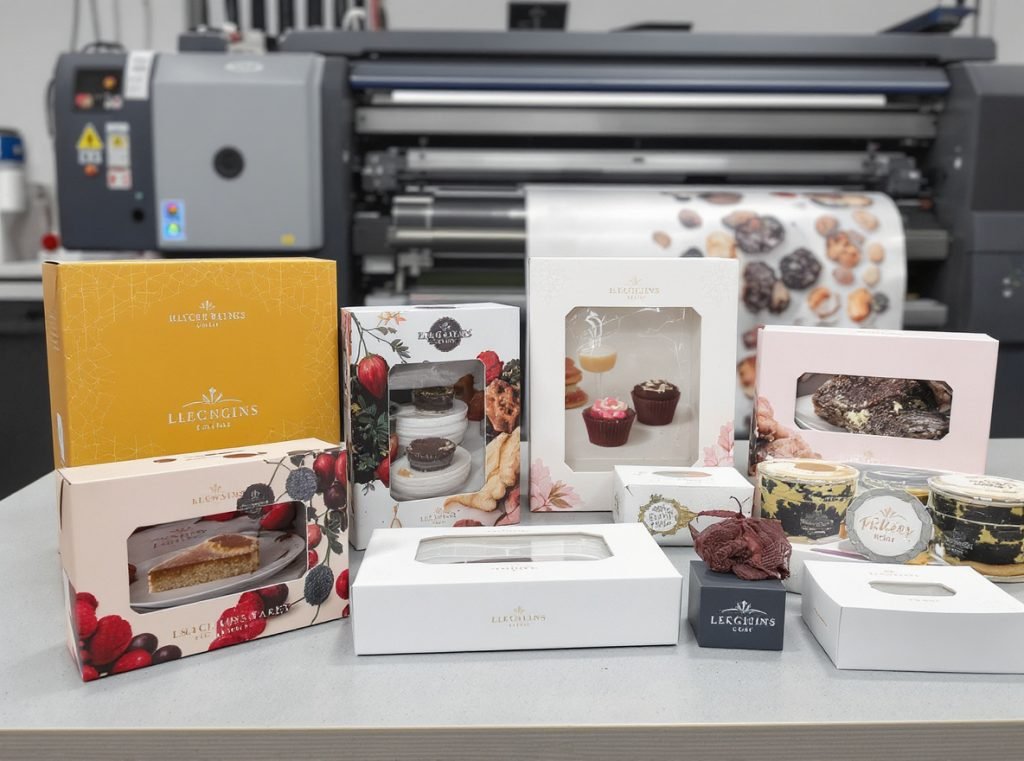
Maximizing Brand Impact Through Strategic Material Choice
Paperboard and cardboard accept various printing techniques with excellent results. Offset printing delivers photo-quality reproduction for complex designs, while flexographic printing offers cost-effective solutions for simpler graphics. Digital printing provides short-run flexibility without setup costs.
Surface coating options enhance both appearance and functionality. Gloss coatings create premium appearance while improving moisture resistance. Matte finishes provide sophisticated aesthetics while maintaining writability for personalization features.
Die-cutting capabilities vary significantly by material thickness and composition. Paperboard excels for intricate shapes and window features, corrugated handles structural elements well but limits fine detail, while kraft paper offers moderate complexity with natural tear resistance.
Kraft paper customization focuses on water-based inks for environmental sustainability. Simple logo printing maintains the natural aesthetic appeal, though limited color options preserve eco-friendly positioning.
Plastic customization presents unique challenges. Direct printing on PET surfaces remains limited, making label application more common for branding. However, transparency allows internal product visibility that serves as natural marketing.
What Environmental Factors Should Guide Your Decision?
Environmental responsibility influences both business operations and customer preferences. Understanding sustainability aspects helps align packaging choices with market demands and operational values.
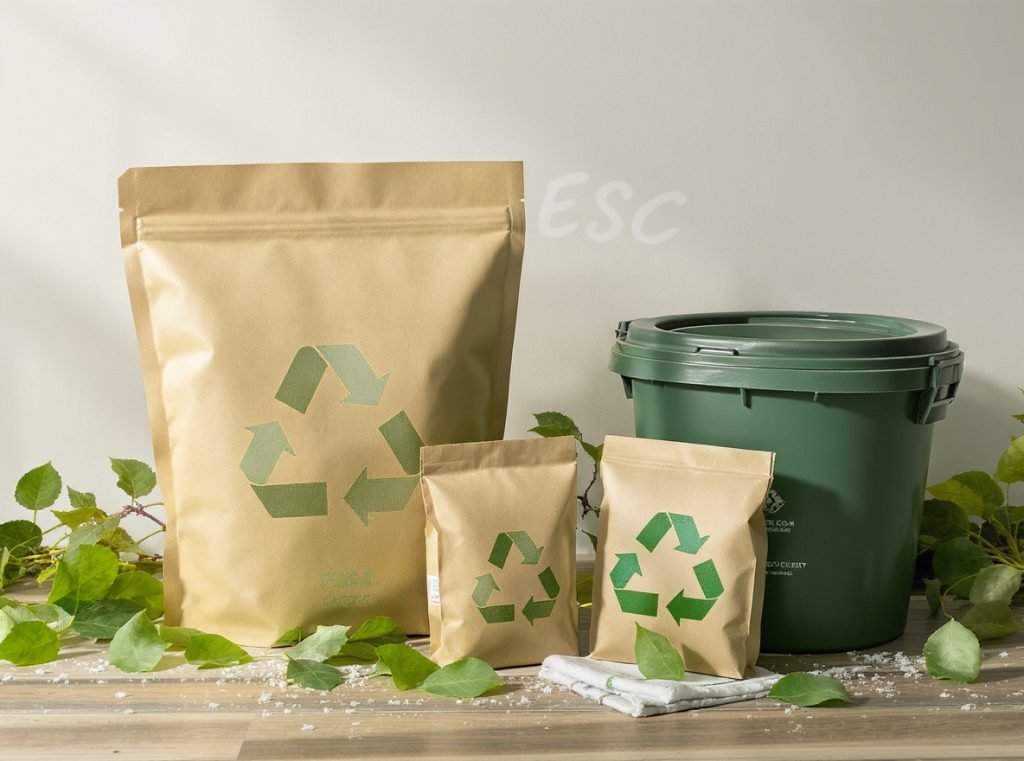
Kraft paper leads sustainability rankings as 100% recyclable, fully compostable, and made from renewable resources. Recycled cardboard offers closed-loop recycling systems, while FSC-certified paperboard ensures responsible forestry practices. Even rPET innovations now enable 90% recycled content with maintained food safety.
Building Sustainable Packaging Strategies
Forest Stewardship Council (FSC) certification ensures responsible sourcing from forests managed according to strict environmental and social standards. This certification provides credible sustainability claims for marketing while supporting responsible forestry practices.
Recycling programs can reduce packaging waste by 70% in just two years when properly implemented. Compostable materials contribute to soil health and nutrient recovery, creating positive environmental impact beyond waste reduction.
Circular economy solutions are advancing rapidly. rPET innovations now enable 90% recycled content while maintaining food safety standards. Biodegradable coatings like PLA improve compostability without compromising functionality.
Environmental impact reduction strategies:
- Choose materials with highest recycled content appropriate for applications
- Implement reusable container programs for regular customers
- Partner with suppliers offering take-back programs
- Educate customers on proper disposal methods
Local sourcing reduces transportation emissions while supporting regional economies. Consider suppliers’ proximity when evaluating total environmental impact, as transportation often represents significant carbon footprint components.
How Do Food Safety Regulations Shape Material Selection?
Food safety regulations strictly govern materials used in direct food contact applications. Non-compliance creates serious legal risks and potential health hazards for customers.
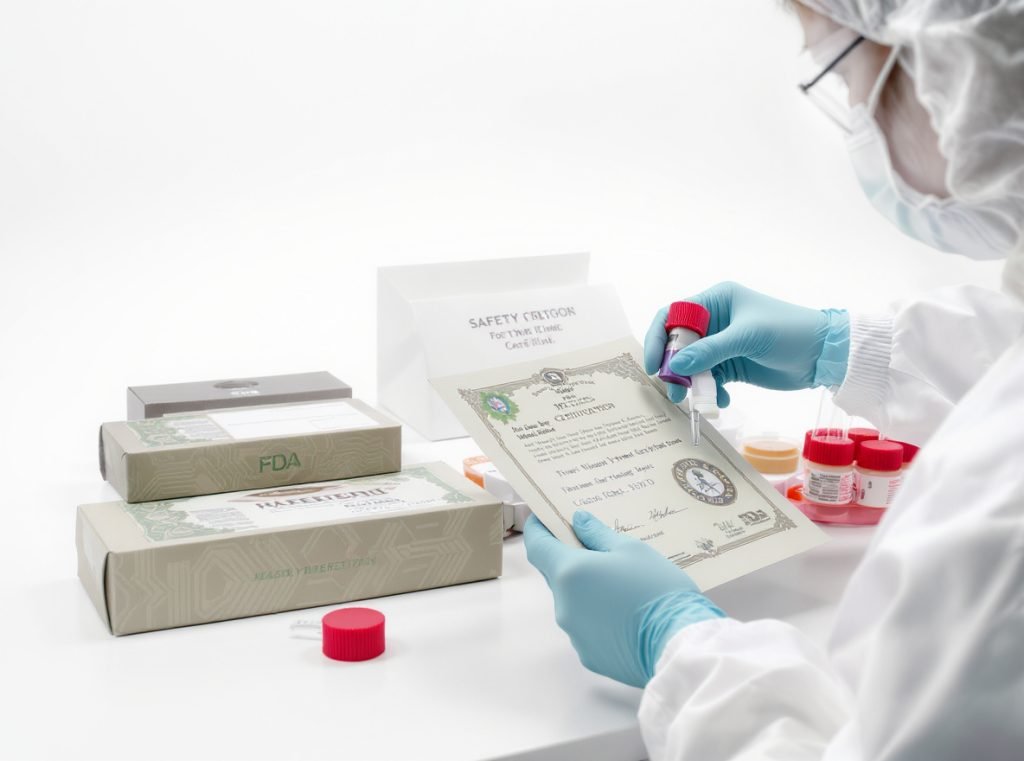
FDA regulations require food-grade certification for all materials contacting food products, including migration testing for chemical transfer, heavy metal content verification, and proper temperature resistance validation. International markets often impose additional requirements affecting material selection strategies.
Ensuring Comprehensive Regulatory Compliance
Food Contact Notifications (FCN) are required for novel materials or new applications. Generally Recognized as Safe (GRAS) status verification ensures materials meet safety standards, while proper documentation maintains audit readiness.
Migration testing evaluates whether chemicals transfer from packaging to food under normal use conditions. These tests simulate various scenarios including temperature extremes, storage duration, and direct contact situations.
Heavy metal content receives particular regulatory scrutiny. Lead, mercury, and cadmium limits are strictly enforced, with recycled materials facing additional scrutiny due to potential contamination from previous applications.
International regulation variations require careful consideration:
- European Union maintains stricter migration limits than US standards
- Canada follows similar US frameworks but includes unique requirements
- Asia-Pacific markets vary significantly by individual country
- Organic certification imposes additional restrictions on processing aids
Critical compliance documentation includes certificates of compliance, comprehensive test reports, and detailed supplier declarations. Maintain thorough records for regulatory inspections and customer audits.
Third-party certifications provide additional credibility: SQF (Safe Quality Food) offers comprehensive food safety management, BRC (British Retail Consortium) provides international standards, while FSSC 22000 delivers food safety system certification.
Summary
Selecting optimal materials for bakery and pastry boxes requires balancing food safety, product protection, cost effectiveness, and environmental responsibility. Food-grade paperboard stands as the premium standard for most applications, corrugated cardboard excels for bulk orders requiring maximum protection, while kraft paper provides sustainable solutions for eco-conscious operations.
Ready to elevate your bakery packaging with materials that protect your products and enhance your brand? Contact Acreet today for custom packaging solutions tailored to your specific needs. Our food-grade materials, expert design team, and comprehensive customization capabilities will help you create packaging that drives sales and delights customers.