Skip to content
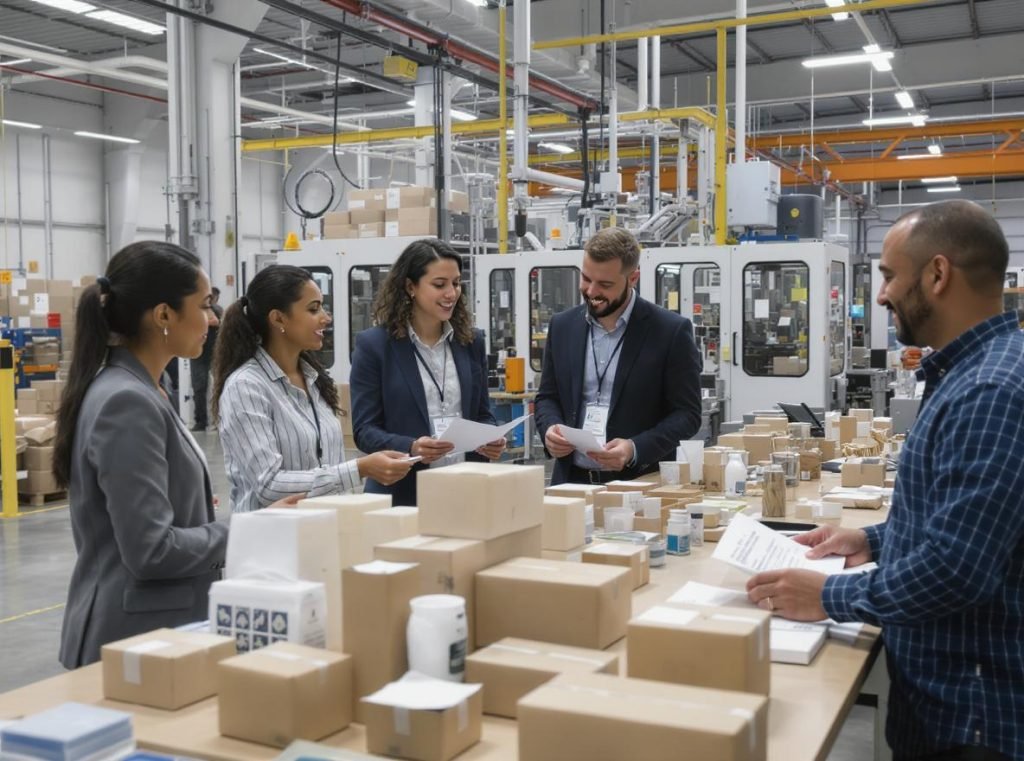
Finding reliable packaging manufacturers in China can feel overwhelming with countless platforms and suppliers claiming to offer the best deals. You need verified partners who can deliver quality custom packaging without the risks of unreliable suppliers or hidden costs.
The best platforms for finding verified Chinese packaging manufacturers are Alibaba (10+ million suppliers with Trade Assurance), Made-in-China (3,800+ categories with verified suppliers), Global Sources (premium verified manufacturers), and 1688.com (factory-direct pricing 4-40% lower). Each platform serves different business needs and verification levels.
Let’s explore these platforms in detail to help you make the right choice for your packaging needs.
Why Should You Choose Chinese Packaging Manufacturers?
Understanding why China dominates the global packaging industry helps you appreciate the value of finding the right platform to connect with manufacturers.
China exported over $3.6 trillion worth of goods in 2024, with packaging playing a crucial role in this success. Chinese manufacturers offer competitive pricing, vast product variety, OEM/ODM services, and strong infrastructure with advanced manufacturing hubs.
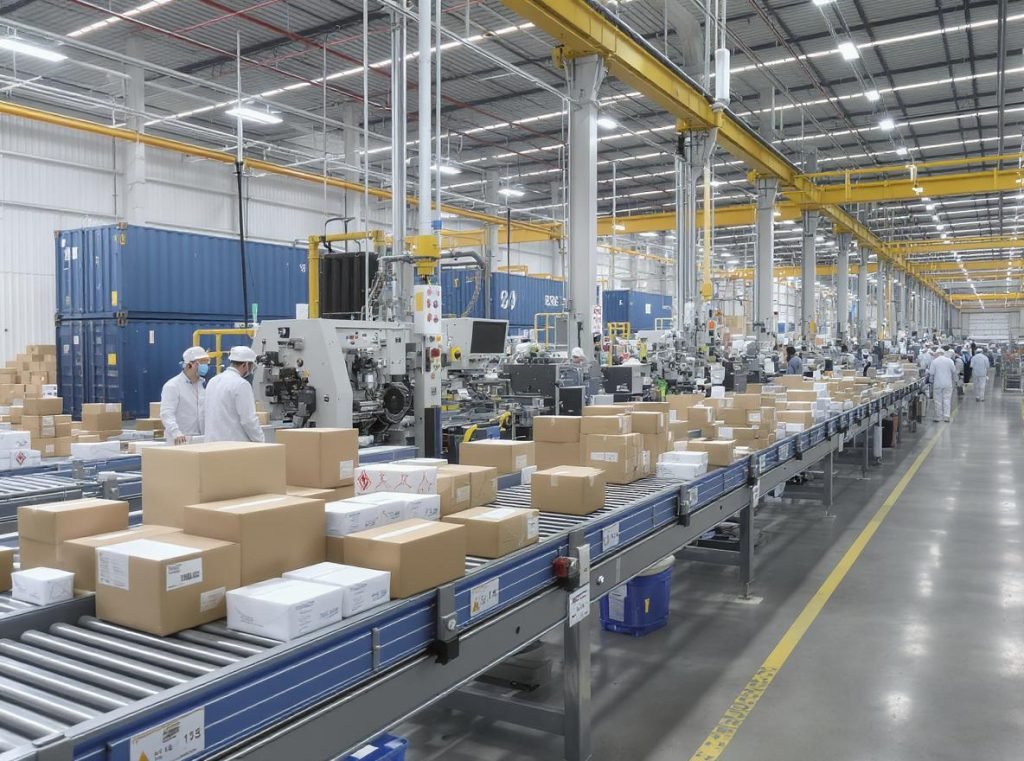
The Chinese packaging industry benefits from several key advantages. Manufacturing costs remain significantly lower due to efficient production processes, abundant raw materials, and streamlined supply chains. China’s packaging industry has a compound annual growth rate (CAGR) of 13.5% during 2021-2026, driven by e-commerce growth and increasing demand for sustainable packaging solutions.
Chinese manufacturers excel in customization capabilities, offering everything from basic cardboard boxes to complex multi-material packaging solutions. Most factories can handle both small-batch custom orders and large-scale production runs, making them ideal for businesses of all sizes.
Quality standards have improved dramatically, with many Chinese packaging manufacturers now holding international certifications like ISO 9001:2015, FDA approval, CE marking, and FSC certification for sustainable materials.
What Are the Top Platforms for Finding Chinese Packaging Manufacturers?
Several platforms dominate the market for connecting international buyers with Chinese packaging manufacturers, each with distinct advantages and customer satisfaction levels.
The primary platforms are Alibaba (4.58 stars from 12,974 reviews), Made-in-China (2.68 stars from 34 reviews), Global Sources (premium focus), 1688.com (factory-direct access), and SaleHoo (8,000 pre-vetted suppliers).
Here’s a comprehensive comparison of the leading platforms:
| Platform | Supplier Base | Customer Rating | Best For | Pricing Level |
|---|---|---|---|---|
| Alibaba | 10+ million | 4.58/5 stars | All business sizes | Lowest |
| Made-in-China | 3,800+ categories | 2.68/5 stars | Quality-focused buyers | 10-15% higher |
| Global Sources | Premium focus | N/A | High-end manufacturing | Higher |
| 1688.com | 10+ million | N/A | Factory-direct access | 4-40% lower |
| SaleHoo | 8,000 vetted | N/A | Quality over quantity | Competitive |
Each platform serves different business needs and verification requirements. Alibaba offers the most comprehensive selection with strong buyer protection, while 1688.com provides the lowest factory-direct pricing for cost-conscious buyers.
How Does Alibaba Compare to Other Platforms?
Alibaba remains the most popular choice for finding Chinese packaging manufacturers, offering the largest supplier network globally with comprehensive buyer protection.
Alibaba provides access to over 10 million suppliers with Trade Assurance program protection, flexible MOQ options (many items available in single units), and comprehensive verification processes, earning 4.58 stars from 12,974 customer reviews.
Alibaba’s key advantages include extensive supplier profiles with detailed company information, customer reviews, and transaction history. The Trade Assurance program protects buyers with secure payment processing and quality guarantees for qualified orders.
The platform’s messaging system enables direct communication with suppliers, allowing you to negotiate terms, request samples, and discuss custom requirements. Mobile apps make it convenient to manage communications and track orders from anywhere.
However, Alibaba’s massive scale means quality varies dramatically between suppliers. Some manufacturers may be trading companies rather than actual factories, potentially adding unnecessary markups to your costs.
• Over 10 million suppliers across all packaging categories
• Trade Assurance buyer protection program
• Flexible MOQ options including single-unit orders
• Comprehensive product categories and customization options
• Strong customer satisfaction with 4.58-star rating
Which Platform Offers the Best Verification Process?
Supplier verification is crucial when choosing packaging manufacturers, as it directly impacts product quality, delivery reliability, and business relationships.
Global Sources provides the most rigorous verification with premium manufacturer standards, Made-in-China offers Diamond Grade Supplier System with Secure Trading Service, and Alibaba provides Trade Assurance with comprehensive supplier verification processes.

Global Sources boasts premium supplier verification ensuring products meet international standards through on-site factory audits, financial background checks, and production capacity assessments. Their verification process focuses on established manufacturers with proven export experience.
Made-in-China implements a Diamond Grade Supplier System specifically designed for verified Chinese suppliers. Their Secure Trading Service (STS) provides buyer protection with stringent quality requirements and verified supplier networks.
Alibaba’s verification varies by membership level, with extensive supplier verification processes including business license verification, factory audits, and Trade Assurance qualification. The platform offers product inspection services for additional quality control.
When evaluating verification levels, consider these essential factors:
• Business license verification through China’s National Enterprise Credit Information Publicity System
• Factory audit reports and production capacity assessments
• Quality certifications including ISO 9001:2015, FDA approval, and CE marking
• Financial stability assessments and trade history reviews
• Client references and testimonials from previous customers
What Should You Look for in a Packaging Manufacturer?
Identifying the right packaging manufacturer requires evaluating multiple factors beyond just price and location, including production capabilities and quality certifications.
Key factors include production capacity matching your order volumes, relevant certifications (ISO 9001:2015, FDA approval, FSC certification), customization capabilities, quality control processes, and responsive communication with English-speaking sales teams.

Production capacity should align with your current and projected order volumes. Manufacturers must demonstrate adequate equipment, workforce, and systems to handle your requirements consistently without compromising quality or delivery schedules.
Quality certifications indicate a manufacturer’s commitment to international standards. Essential certifications include ISO 9001:2015 for quality management, FDA approval for food contact packaging, CE marking for European markets, and FSC certification for sustainable paper products.
Customization capabilities vary significantly between manufacturers. Some excel at complex multi-color printing and special finishes, while others focus on basic packaging solutions. Evaluate their design capabilities, equipment specifications, and previous custom work portfolios.
Communication quality often reflects overall business professionalism. Manufacturers with responsive English-speaking teams typically provide better service throughout the production process and can resolve issues more effectively.
How Can You Verify Manufacturer Credentials?
Proper verification protects your business from unreliable suppliers and ensures successful partnerships with legitimate manufacturers using established verification processes.
Essential verification steps include business license verification through China’s National Enterprise Credit Information Publicity System (NECIPS), factory audits, certificate authentication, and financial stability assessments with trade history reviews.
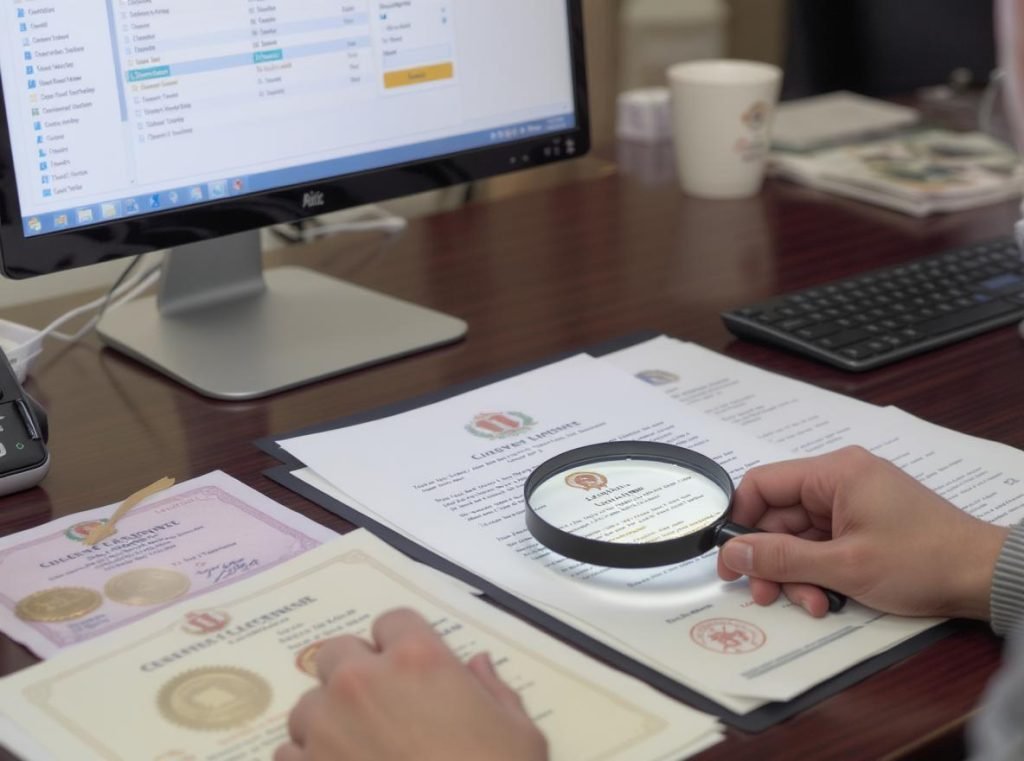
Business license verification confirms legal operation status. Request copies of business licenses with 18-digit registration numbers, tax registration certificates, and export permits. Cross-reference these documents with China’s official NECIPS database for authenticity.
Factory audit requirements include on-site inspections or third-party audit services to verify production capacity, equipment specifications, quality control systems, and workforce conditions. These audits provide crucial insights into actual manufacturing capabilities.
Certificate authentication involves verifying ISO 9001:2015 quality management certifications, FDA approval for food contact materials, CE marking compliance for European markets, and FSC certification for sustainable packaging materials.
Financial stability assessment includes reviewing registered capital, trade history, export records, client references, and banking relationships to ensure long-term reliability.
Here’s a comprehensive verification checklist:
• Business license verification through NECIPS database
• Factory audit reports and production capacity assessments
• Quality certifications and compliance documentation
• Financial stability and trade history reviews
• Client references and testimonials verification
• Banking relationships and payment capability assessments
What Are the Red Flags to Avoid?
Recognizing warning signs helps you avoid problematic manufacturers and protects your business from potential fraud, quality issues, and financial losses.
Major red flags include mobile phone numbers instead of landline business numbers, unusually low pricing without justification, poor English communication, reluctance to provide business documentation, and payment requests through personal accounts rather than business accounts.

Communication red flags often indicate unprofessional business practices. Legitimate manufacturers use landline business numbers, maintain professional English communication, and provide comprehensive business documentation without hesitation.
Business practice concerns include unusually low pricing that seems too good to be true, no minimum order requirements without valid justification, and lack of quality certifications or unwillingness to provide them.
Quality control issues manifest through inconsistent sample quality across different batches, poor packaging of samples indicating lack of attention to detail, and reluctance to allow factory visits or inspections.
Payment-related warning signs include requests for full upfront payment, personal account payment requests instead of business accounts, and pressure tactics for immediate payment or orders.
Critical warning signs to avoid:
• Mobile phone numbers instead of business landlines
• Prices 50% below market rates without clear explanation
• Poor English communication or evasive responses
• Reluctance to provide business documentation or factory tours
• Payment requests through personal accounts
• No quality certifications or testing procedures
How Do You Evaluate Packaging Quality and Samples?
Quality evaluation through comprehensive sample testing prevents costly mistakes and ensures your packaging meets international standards and brand requirements.
Sample evaluation requires material strength testing (tensile and burst tests), barrier property evaluation, thermal stability testing, chemical compatibility testing, and compliance verification for FDA approval and ISO certifications.
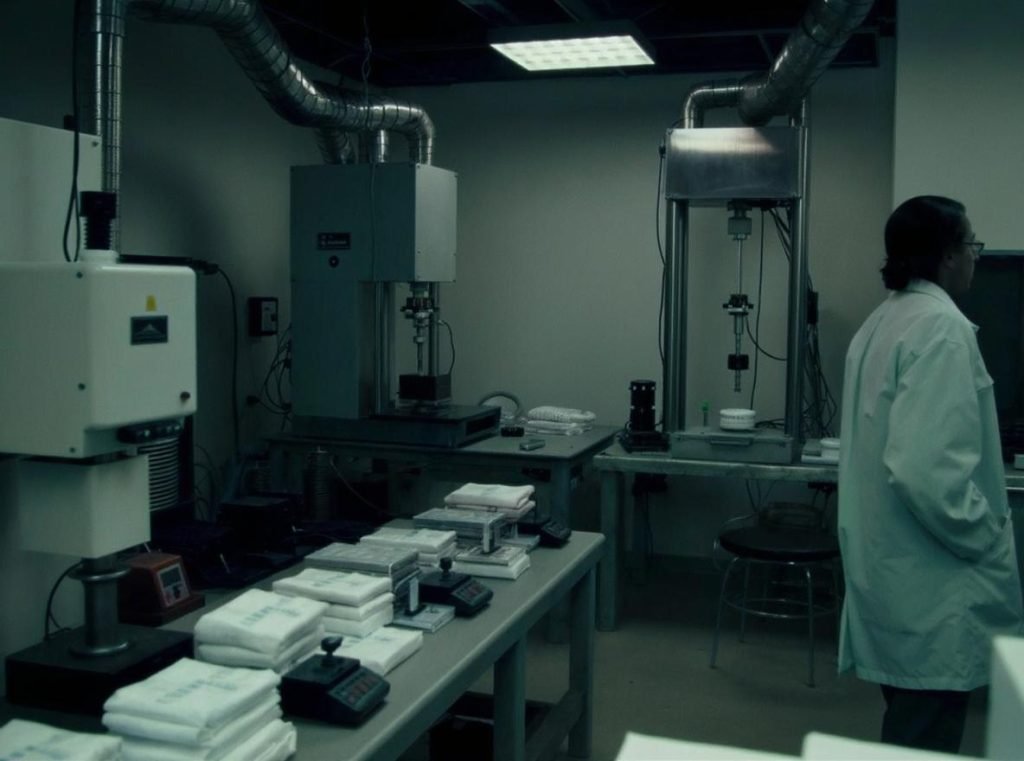
Physical testing requirements include material strength testing with tensile and burst tests to evaluate durability under shipping conditions. Barrier property evaluation tests moisture, oxygen, and light protection capabilities essential for product preservation.
Thermal stability testing ensures packaging performance across temperature ranges, while chemical compatibility testing verifies safety for food contact materials and sensitive products.
Compliance verification involves confirming FDA approval for food contact packaging, ISO 13485 certification for medical device packaging, FSSC 22000 certification for food safety management, and BRC Global Standard compliance.
Sustainability assessment includes FSC certification verification for paper-based materials, recyclability testing, carbon footprint analysis, and biodegradability testing for eco-friendly packaging options.
Sample evaluation should cover:
• Material strength testing including tensile and burst tests
• Barrier property evaluation for moisture and oxygen protection
• Thermal stability testing for temperature-sensitive applications
• Compliance verification for FDA and ISO certifications
• Sustainability assessment including FSC certification
• Print quality evaluation for brand presentation standards
What Are the Costs and MOQ Considerations?
Understanding pricing structures and minimum order quantities helps you budget effectively and choose appropriate manufacturers for your business size and requirements.
Typical MOQ requirements range from 500-10,000 units depending on packaging type, with folding carton boxes requiring 1,000-5,000 units ($1,500-$2,500), corrugated boxes 500-1,000 units ($1,000-$1,500), and flexible pouches 2,000-10,000 units ($1,500-$3,000).

MOQ requirements vary significantly by packaging type and complexity. Standard packaging designs typically have lower MOQs, while custom designs require higher minimums to justify setup costs and production line configuration.
Pricing factors include material costs, printing complexity, structural design, finishing requirements, and order quantities. Simple single-color boxes cost significantly less than multi-color printed packages with special finishes and coatings.
MOQ negotiation strategies include batching multiple SKUs together to reach minimum quantities, starting with smaller orders to test quality before scaling, and negotiating based on total order value rather than just quantity.
| Package Type | Typical MOQ | Minimum Order Value | Key Considerations |
|---|---|---|---|
| Folding Carton Boxes | 1,000-5,000 units | $1,500-$2,500 | Print complexity affects MOQ |
| Corrugated Boxes | 500-1,000 units | $1,000-$1,500 | Size and flute type variations |
| Flexible Pouches | 2,000-10,000 units | $1,500-$3,000 | Barrier properties and printing |
| Rigid Boxes | 500-1,000 units | $1,500-$2,500 | Material quality and finishing |
| Stand-up Pouches | 10,000+ units | $2,500+ | Complex manufacturing process |
How Can Professional Sourcing Help Your Business?
Professional sourcing services bridge the gap between international buyers and Chinese manufacturers, providing expertise, risk mitigation, and operational efficiency improvements.
Professional sourcing agents offer local market knowledge, cultural understanding, language barrier elimination, on-site factory inspections, quality control throughout production, and cost optimization through negotiation expertise and bulk consolidation.

Market expertise and navigation benefits include local market knowledge of pricing trends, supplier capabilities, and industry developments. Cultural understanding enables effective business negotiations and relationship building with Chinese manufacturers.
Quality control and risk management services include on-site factory inspections and quality audits, production monitoring throughout manufacturing processes, supply chain risk mitigation through diversified supplier networks, and fraud prevention through comprehensive supplier verification.
Cost optimization advantages include negotiation expertise for better pricing and payment terms, bulk consolidation to reduce shipping costs, and long-term relationship building for sustainable cost savings.
Operational efficiency improvements include time-saving through handled logistics and coordination, streamlined communication with suppliers, documentation management for customs and compliance, and dispute resolution when issues arise.
Working with established packaging manufacturers like Acreet provides additional advantages through years of experience serving international clients, understanding specific market requirements, and providing comprehensive packaging solutions from design to delivery.
Key benefits of professional sourcing:
• Local market expertise and cultural understanding
• Quality control and risk management services
• Cost optimization through negotiation and consolidation
• Operational efficiency and time-saving benefits
• Comprehensive support from design to delivery
What Are the Major Chinese Packaging Manufacturing Hubs?
Understanding regional specializations helps you identify the most suitable manufacturing locations for your specific packaging requirements and logistics needs.
Major Chinese packaging hubs include Guangdong Province (Dongguan as world’s largest hub, Shenzhen for electronics packaging), Yangtze River Delta (Shanghai for luxury goods, Jiangsu for pharmaceutical packaging), and Northern China (Shandong for industrial packaging).
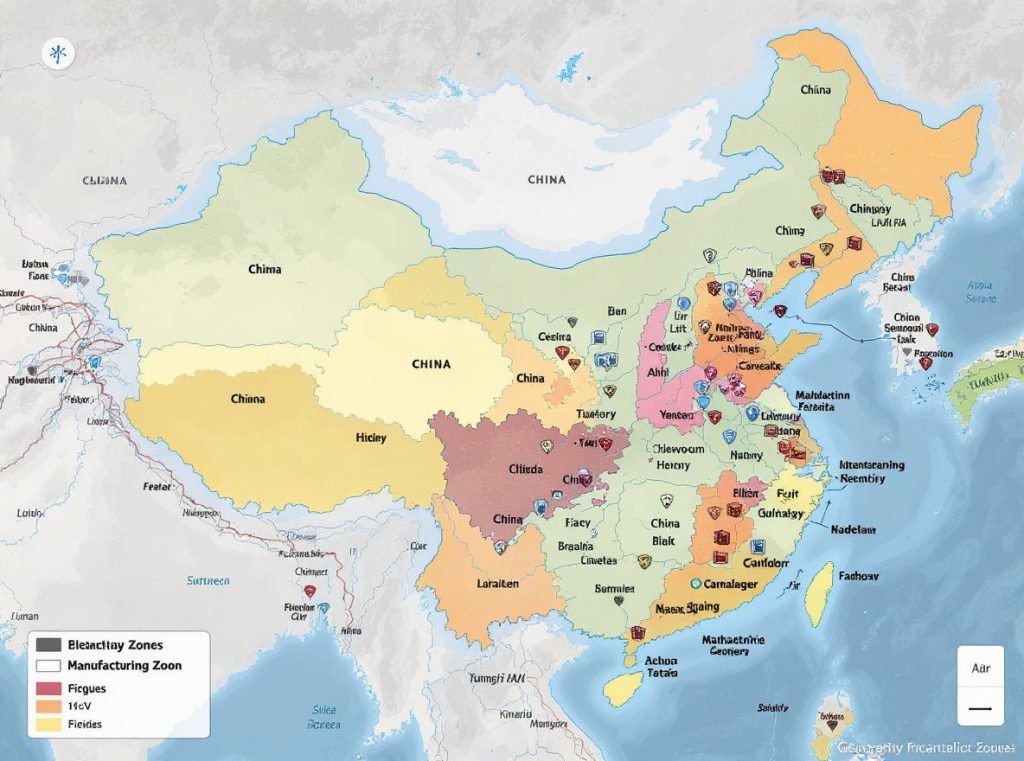
Guangdong Province in South China serves as the primary packaging manufacturing region. Dongguan operates as the world’s largest packaging manufacturing hub, Shenzhen specializes in electronics and tech packaging, Guangzhou focuses on fashion and consumer goods packaging, and Foshan handles furniture and home appliance packaging.
The Yangtze River Delta in East China offers specialized manufacturing capabilities. Shanghai excels in high-end packaging and luxury goods, Jiangsu specializes in pharmaceutical and medical packaging, Zhejiang focuses on e-commerce and retail packaging, and Changzhou provides industrial packaging solutions.
Northern China provides cost-effective manufacturing options. Shandong specializes in chemical and industrial packaging, Hebei offers basic packaging materials and supplies, and Tianjin handles logistics and transportation packaging.
Regional specializations by province:
• Guangdong Province: Electronics, consumer goods, and general packaging
• Yangtze River Delta: Luxury goods, pharmaceuticals, and e-commerce packaging
• Northern China: Industrial, chemical, and basic packaging materials
• Each region offers unique advantages for different packaging applications
Summary
Finding verified Chinese packaging manufacturers requires a multi-platform approach with thorough due diligence. Alibaba offers the largest supplier base with Trade Assurance protection, Made-in-China provides quality-focused verification, Global Sources delivers premium standards, and 1688.com offers factory-direct pricing. Success depends on proper supplier verification, quality sample evaluation, and understanding regional manufacturing specializations.
Ready to start your packaging project? Contact Acreet today for a free consultation and quote on your custom packaging needs. Our experienced team can help you design and manufacture high-quality packaging solutions that protect your products and enhance your brand image.